


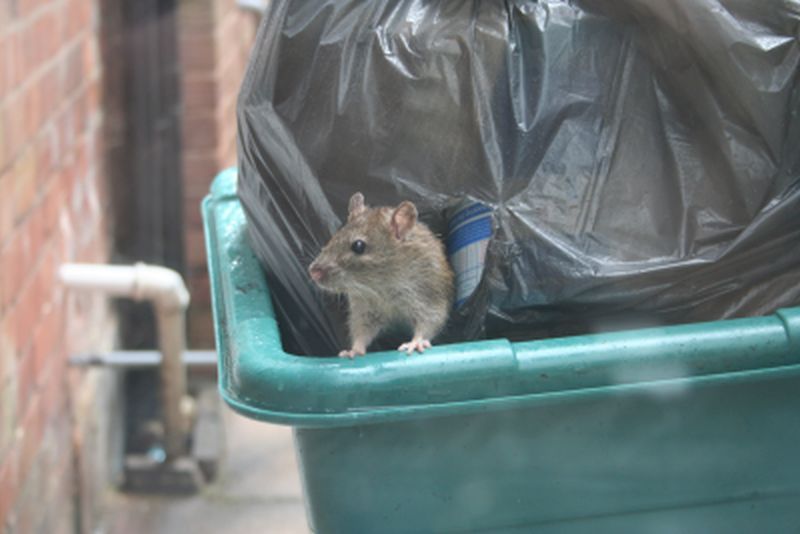
Mouse

Small rodent. Rapid infestation. Major damage.

6/30/2026

The mouse (Mus musculus) is one of the most common rodents found in homes, agricultural buildings, warehouses and production areas. Because of its exceptional adaptability, it quickly settles close to people, where food, water and safe hiding places are available.

Although small and often unnoticed, it can cause considerable material damage, contaminate food and pose a risk of transmitting various diseases. Because mice reproduce rapidly, just a few individuals can develop into a larger population in a short time, so prompt action is essential.

How can you identify a mouse?

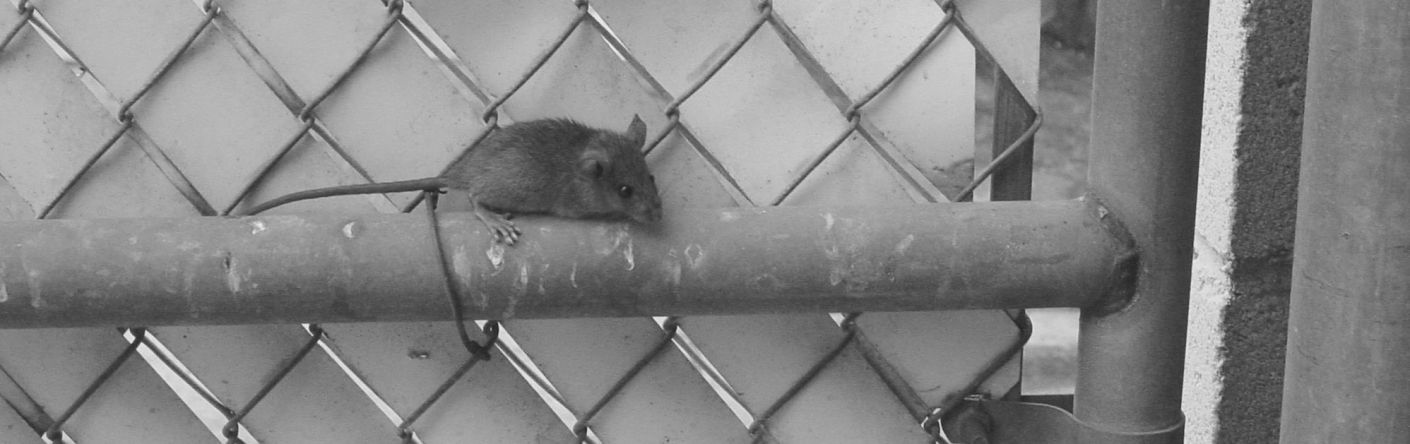
The mouse has a slender body, a long thin tail, large ears and prominent eyes. An adult animal is approximately 7–10 cm long, and its tail is roughly the same length as its body. It weighs between 15 and 30 g.

Why do mice appear in the house?

Mice are attracted to areas close to people mainly by food, water, warmth and safe hiding places. In autumn and winter they often seek shelter inside buildings, where conditions are favourable for survival. Because of their small size, they can enter through an opening only 6–7 mm wide.

Mice prefer quiet, warm and hidden places with easy access to food. They are often found in kitchens and pantries, basements, garages and attics. They also hide behind kitchen units and household appliances, in insulation, hollow walls, warehouses and agricultural buildings.

Signs of mice:

  • Small dark droppings (3–6 mm)
  • Gnaw marks on packaging, cables or wood
  • Scratching in walls, ceilings or attics
  • A characteristic smell of urine
  • Nests made from paper, textiles or insulation

What damage do they cause?

Miši lahko povzročijo precejšnjo škodo v domovih, skladiščih in drugih objektih. Hrano onesnažujejo z urinom, iztrebki in dlakami, z glodanjem pa poškodujejo embalažo, izolacijo, les in plastiko. Pogosto grizejo tudi električne kable, kar lahko povzroči okvare in kratke stike.

Zaradi hitrega razmnoževanja se lahko njihova populacija v ugodnih razmerah hitro poveča. Poleg materialne škode predstavljajo tudi higiensko tveganje, saj lahko prenašajo povzročitelje različnih bolezni.

How can you prevent mice?

The best way to prevent mice is to limit their access to food and hiding places and prevent them from entering the building.

  • Store food in securely closed containers.
  • Regularly remove food residues and other possible food sources.
  • Seal openings and cracks through which mice can enter the building.
  • Keep the surrounding area tidy and remove potential hiding places.
  • Monitor regularly for signs of rodents and take action promptly if they appear.

How can mice be controlled effectively?

Mice can be controlled effectively using mechanical methods and different types of bait. The choice should be adapted to the level of infestation, the environment and the feeding habits of the mice.

The most common solutions are:

  • Mechanical traps – for individual mice and smaller infestations.
  • Glue traps – for monitoring and mechanical control.
  • Soft baits – where high bait palatability is important.
  • Wax blocks – for damp and more demanding environments.
  • Pellets – for simple and practical dosing.
  • Grain baits – for environments where mice seek grains and seeds.

For the best results, it is important to select the right solution for the environment and level of mouse activity and to monitor regularly for signs of their presence.

Interesting facts

  • A mouse can jump approximately 30 cm high and up to 45 cm horizontally.
  • It is an excellent climber and moves easily along rough walls, wood, pipes, cables and ropes.
  • It is also a good swimmer, so water is not a major obstacle.
  • Because of its small body, it can squeeze through an opening only 6–7 mm wide.
  • Its incisors grow throughout its life, so it must constantly wear them down by gnawing.
  • Mice have a very good sense of smell and hearing, which help them find food and detect danger.
  • They are mainly active at night, so their presence may only become apparent from the signs they leave behind.
  • Under favourable conditions they reproduce very quickly, so even a small initial population can soon become a serious problem.

Frequently asked questions

The most common signs are small dark droppings, gnaw marks, damaged packaging, scratching in walls or ceilings and a characteristic smell of urine. You may also notice nests made from paper, textiles or insulation.