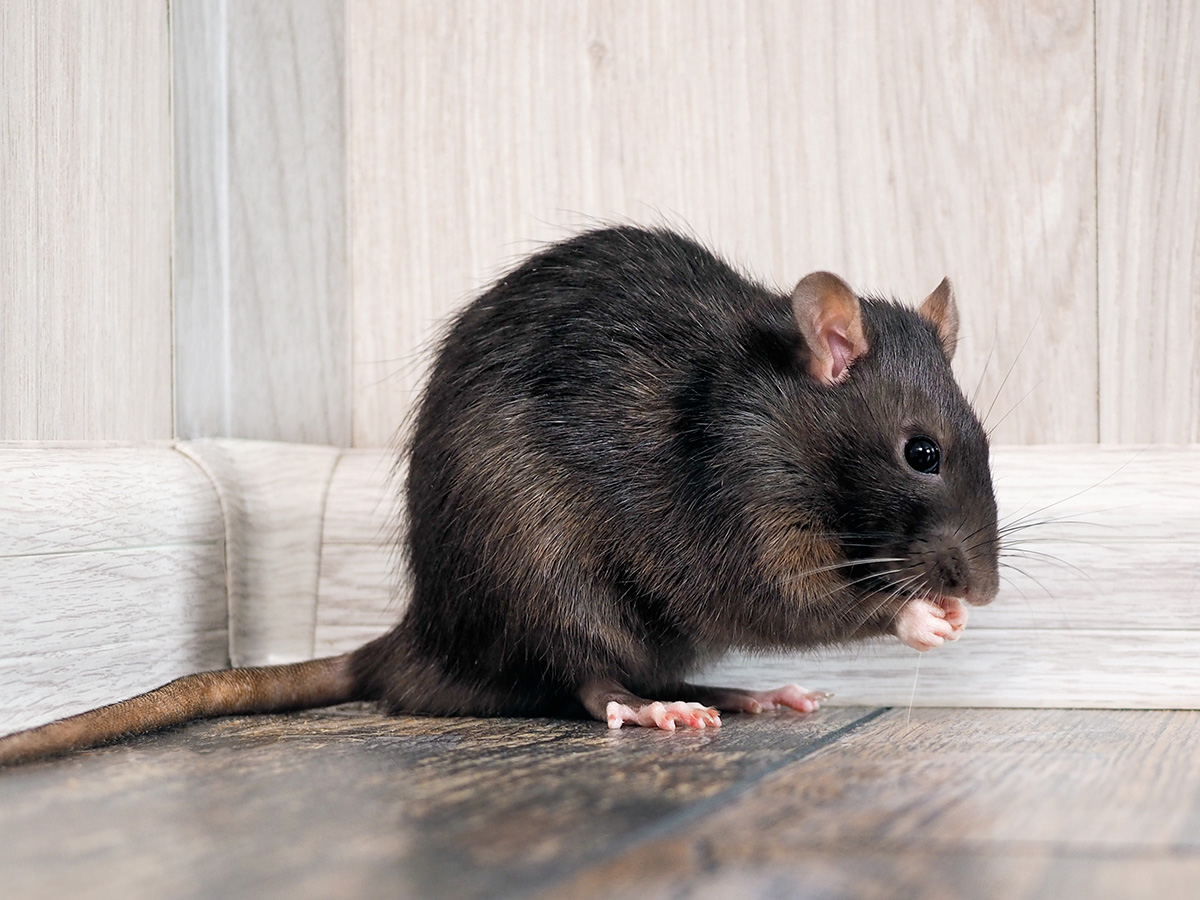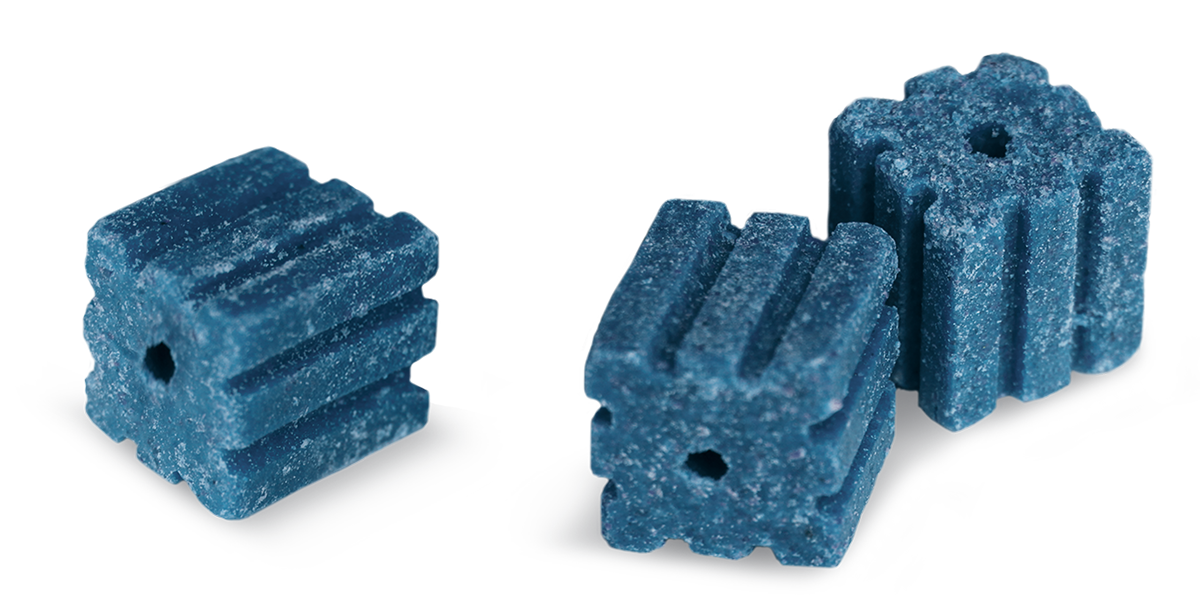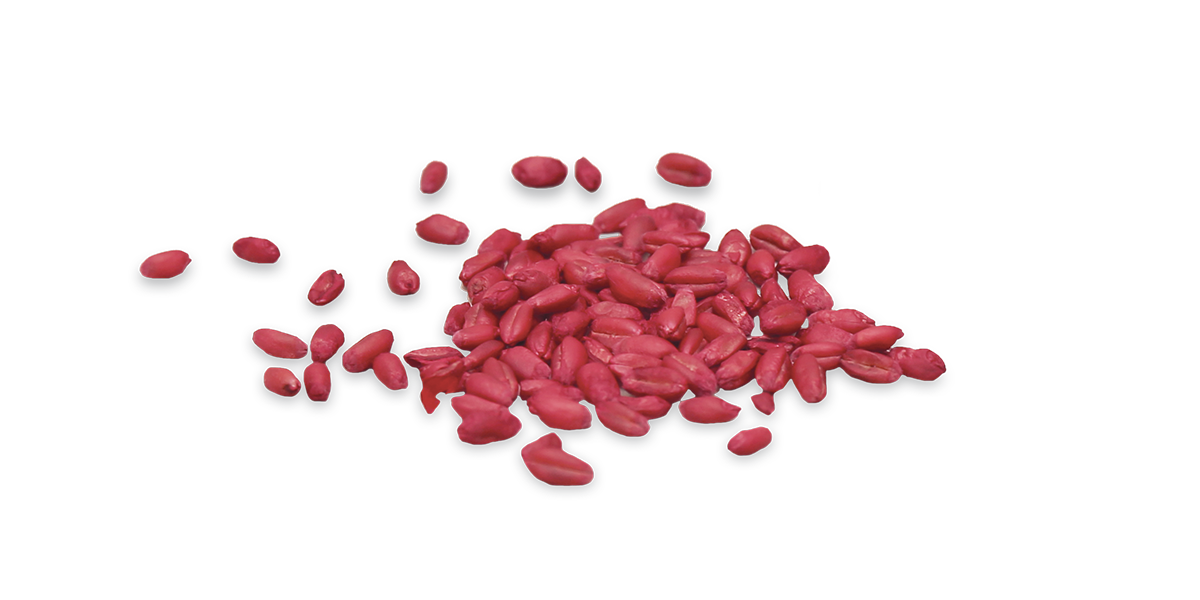
Mouse
Small rodent. Rapid infestation. Major damage.


Identify the problem. Choose the right solution. Act in time.
1. What Are You Dealing With?
Mouse or Rat? The Difference Matters.
They differ in their behaviour, the places they inhabit, and the way they should be controlled. First identify the pest, then take targeted action.
2. Signs of Presence
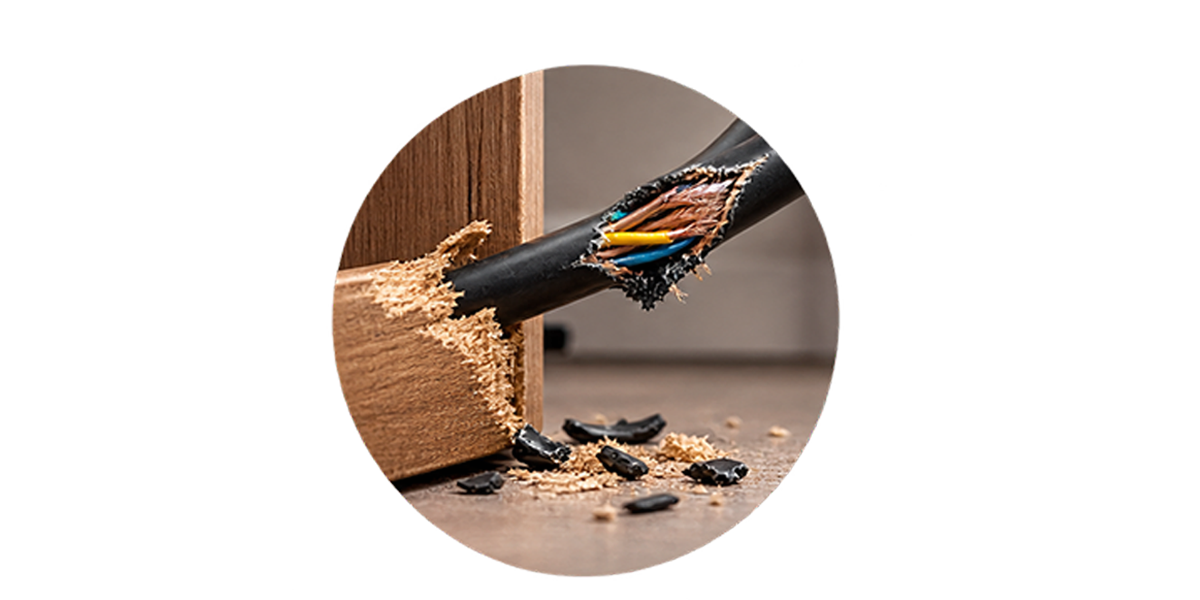
You May Not See the Rodent. But You Will See the Signs.
Even a few small signs may indicate that a mouse or rat is regularly present in the area. The sooner you recognise them, the easier it is to limit damage and prevent the problem from spreading.

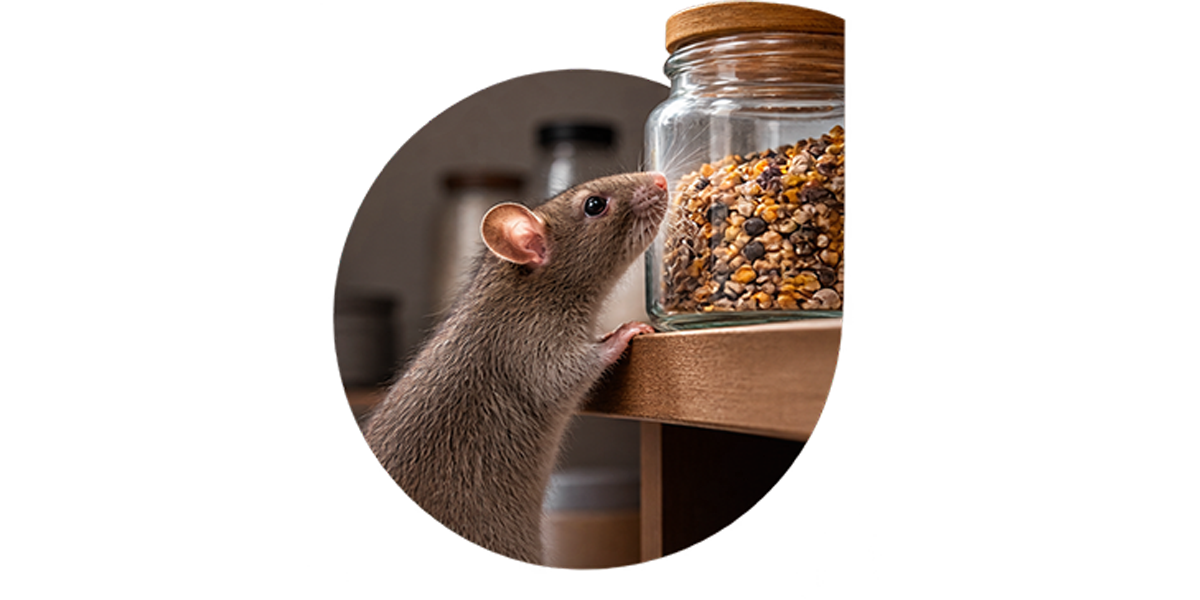

3. How to Take Action?
Don't wait for a few signs to turn into a bigger problem.
Remove food sources and hiding places, limit potential entry points, and choose the right solution based on the location, conditions, and type of problem.

4. Want to Understand the Problem Better?
When It Comes to Rodents, Details Matter.
Where do they hide? How can you protect stored food? When is prevention no longer enough? Explore practical advice from our experts and take action before the problem gets worse.

Urban environments offer rats numerous opportunities to survive and reproduce. Their presence can cause damage, contamination and hygiene risks, so prevention and effective control are essential for long-term management.
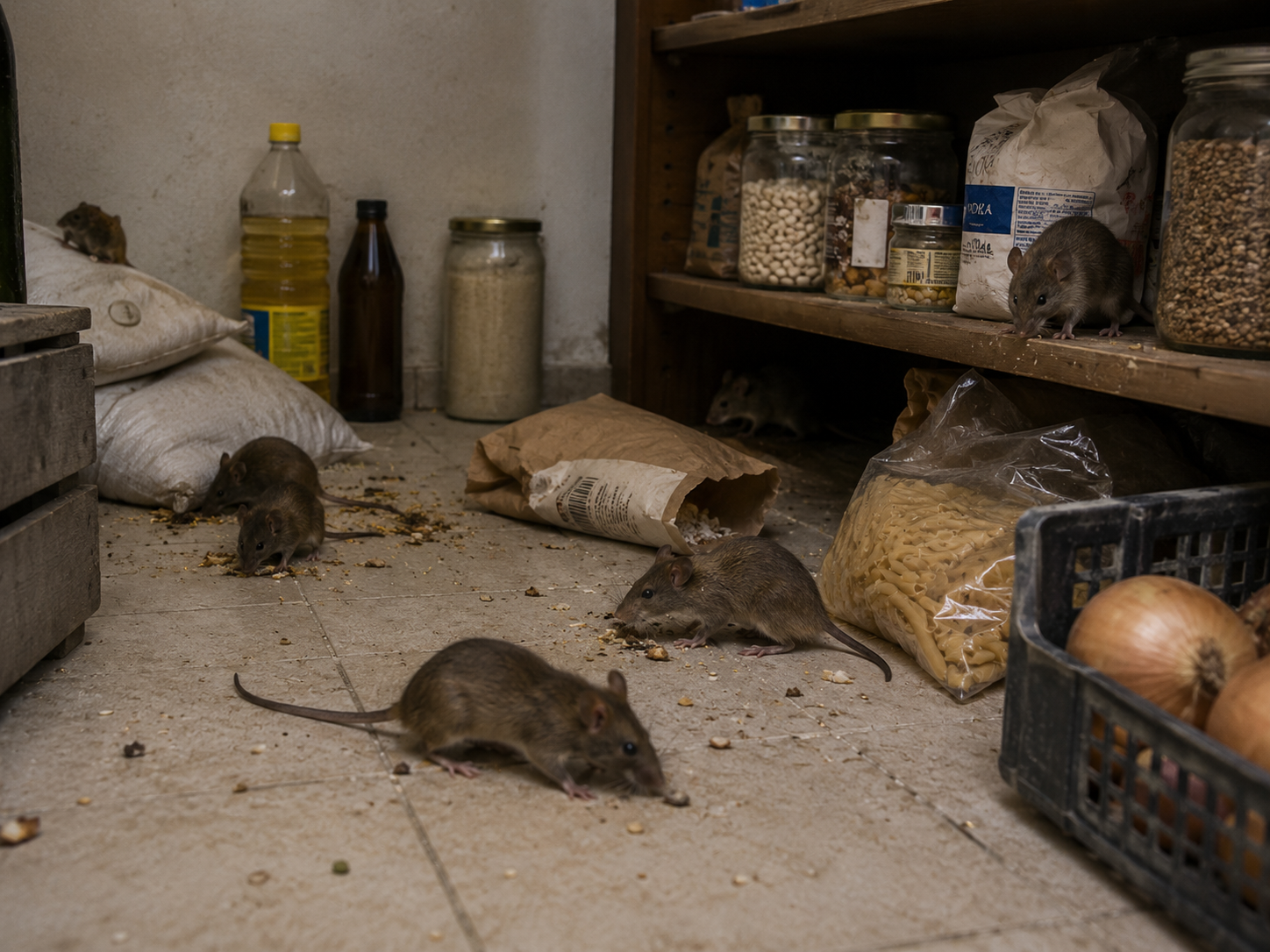
Mice in the home can damage food, packaging and other materials and cause hygiene problems. Mechanical traps are a practical rodenticide-free solution, particularly when the problem is detected early and only a small number of rodents are present.
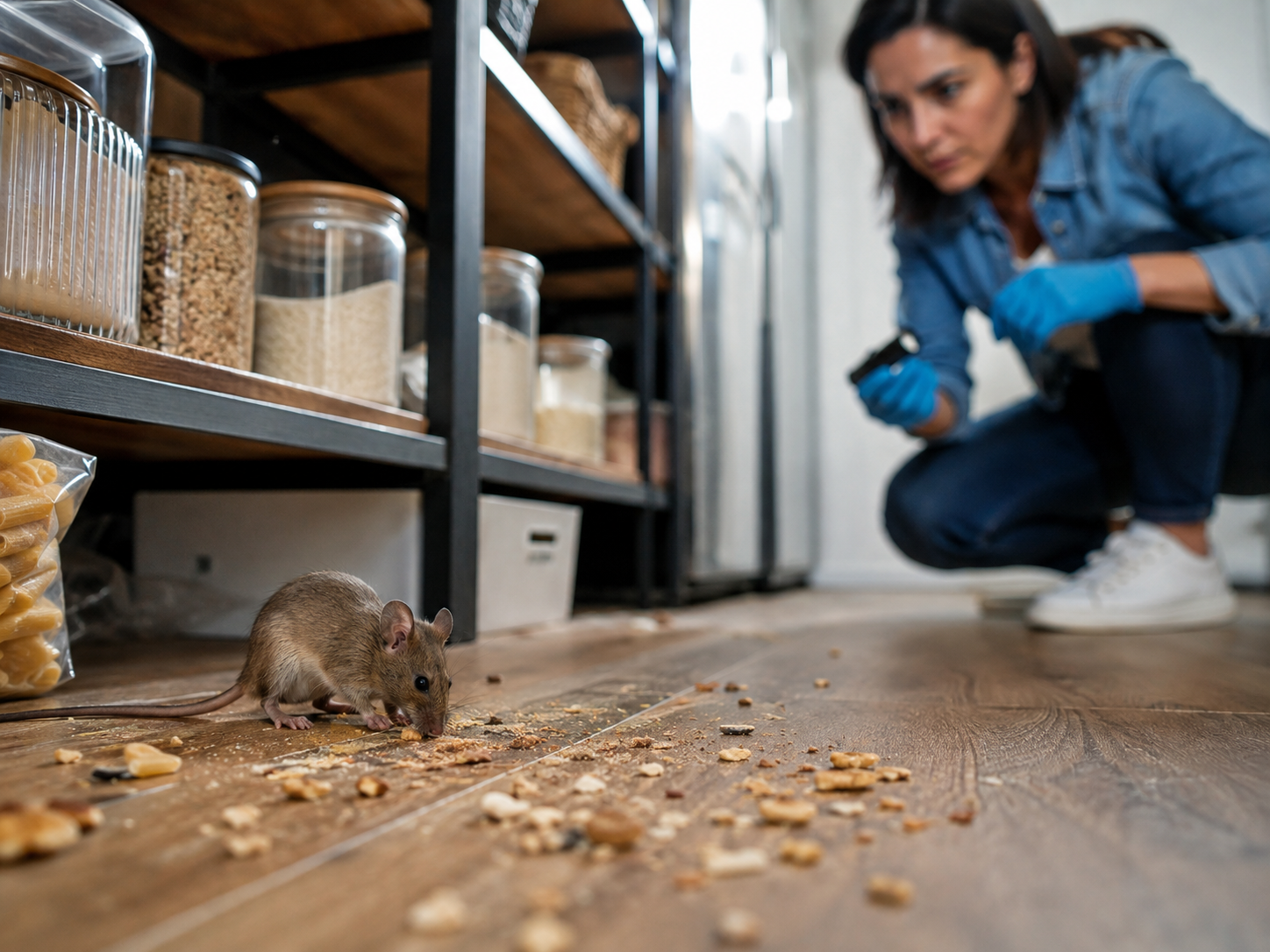
Mice and rats in the house can threaten food supplies, damage equipment and cause hygiene problems. Long-term protection of the home depends on preventing access, removing sources of food and water and applying appropriate control measures.

Basements and pantries are attractive to mice and rats mainly because they provide food, shelter and favourable hiding conditions. Their presence can quickly threaten stored winter food and other supplies, so it is important to know how to reduce the risk of an infestation and how to act effectively once rodents settle in the area.
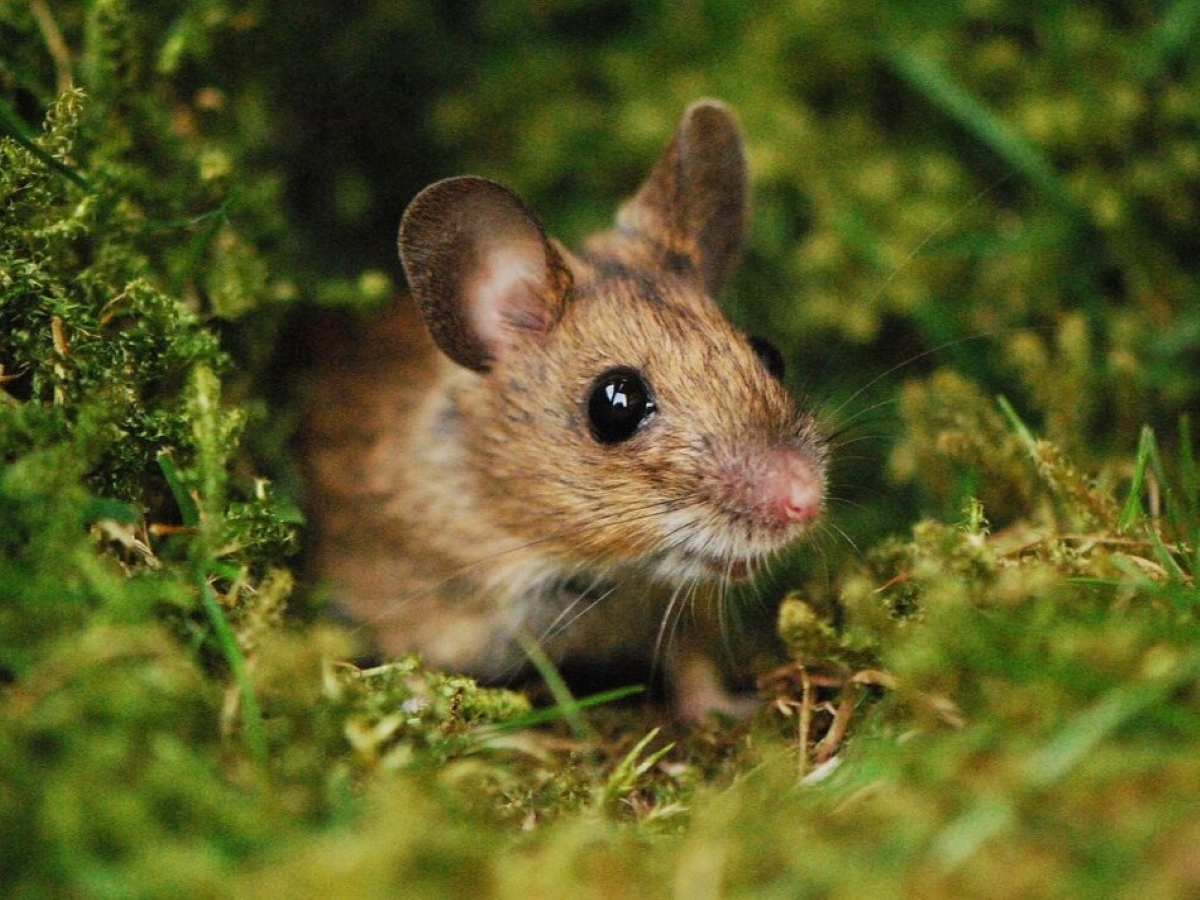
Mice and rats in the garden can damage crops, roots and stored supplies and may eventually move closer to the home. A tidy environment, limiting food sources and properly protecting garden buildings help reduce the risk of their presence.