

Mice in the basement? How to protect stored winter food from mice and rats

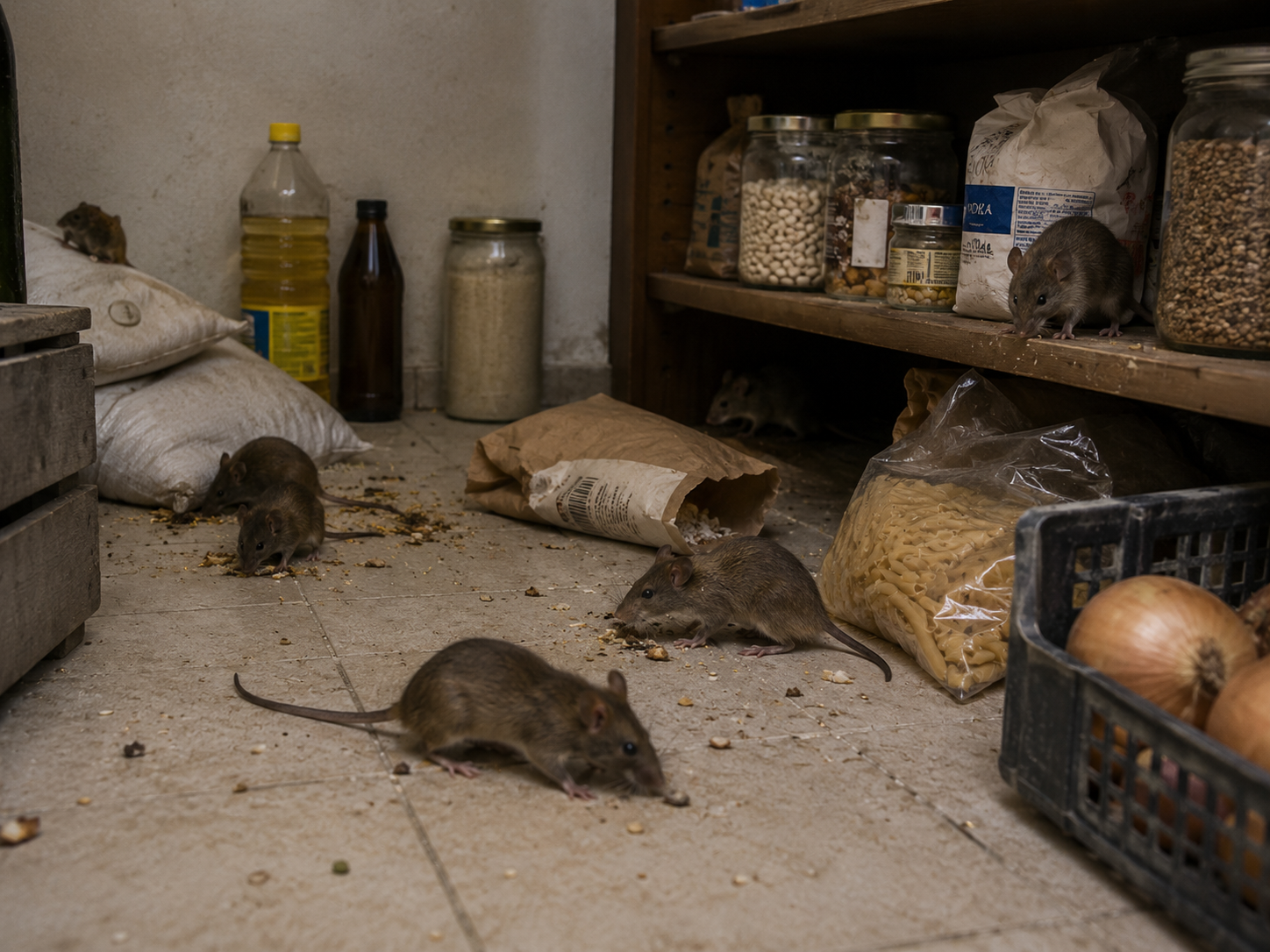
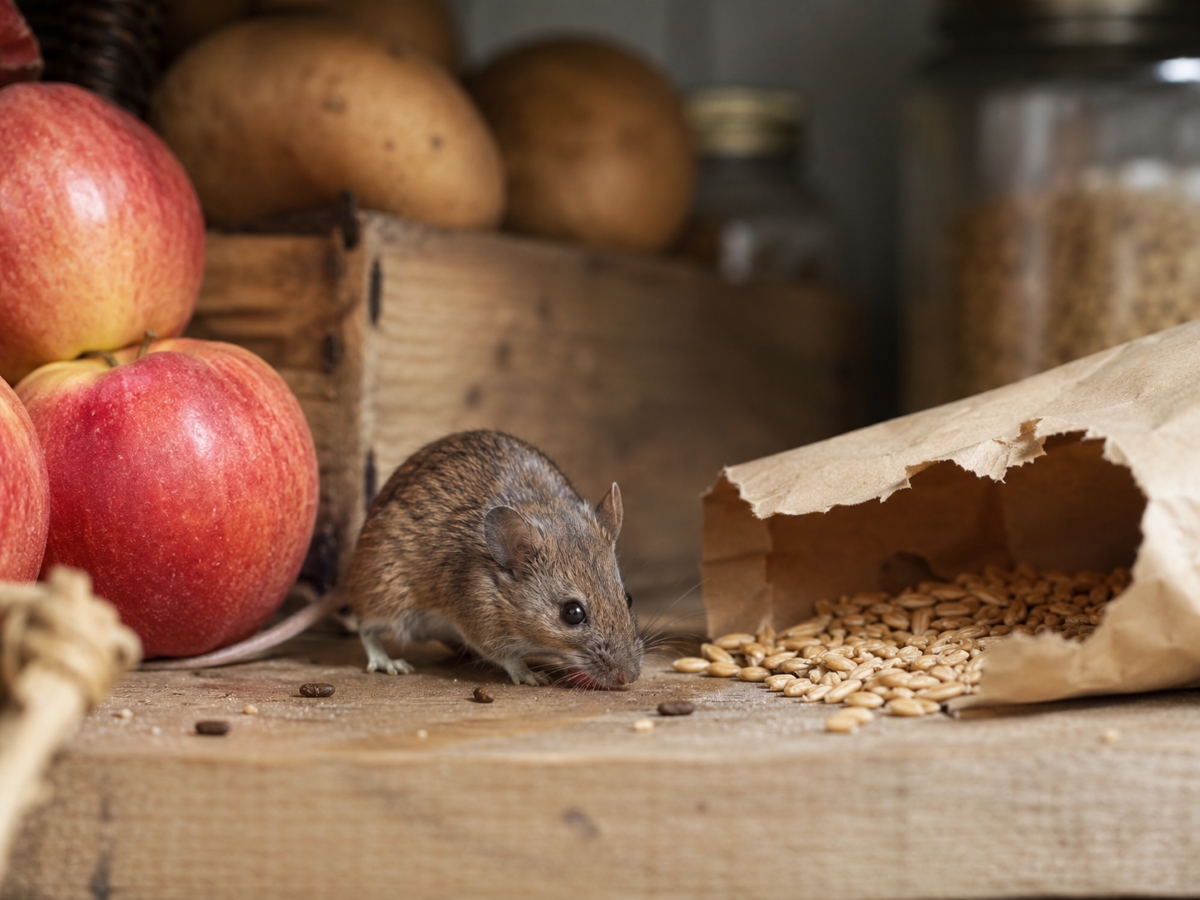
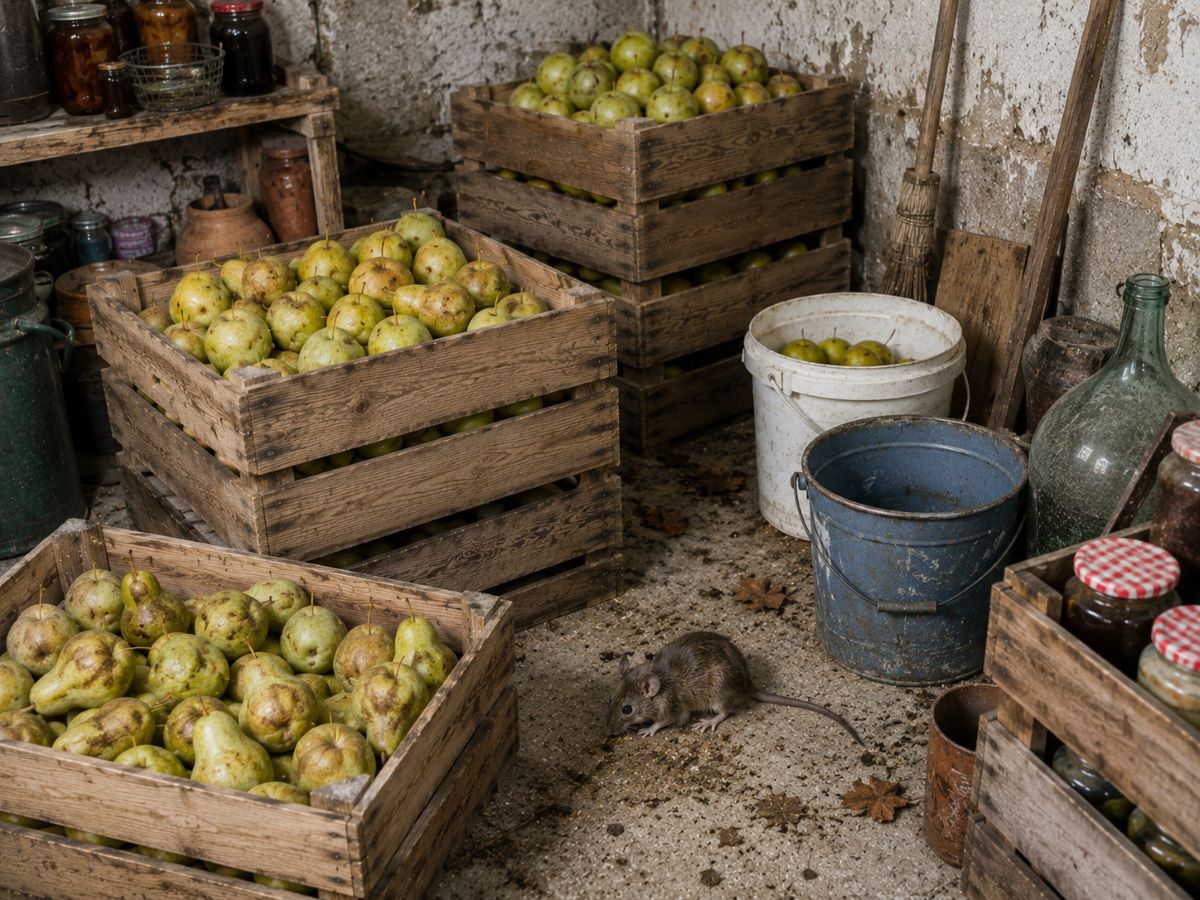
Basements and pantries are attractive to mice and rats mainly because they provide food, shelter and favourable hiding conditions. Their presence can quickly threaten stored winter food and other supplies, so it is important to know how to reduce the risk of an infestation and how to act effectively once rodents settle in the area.

7/8/2026

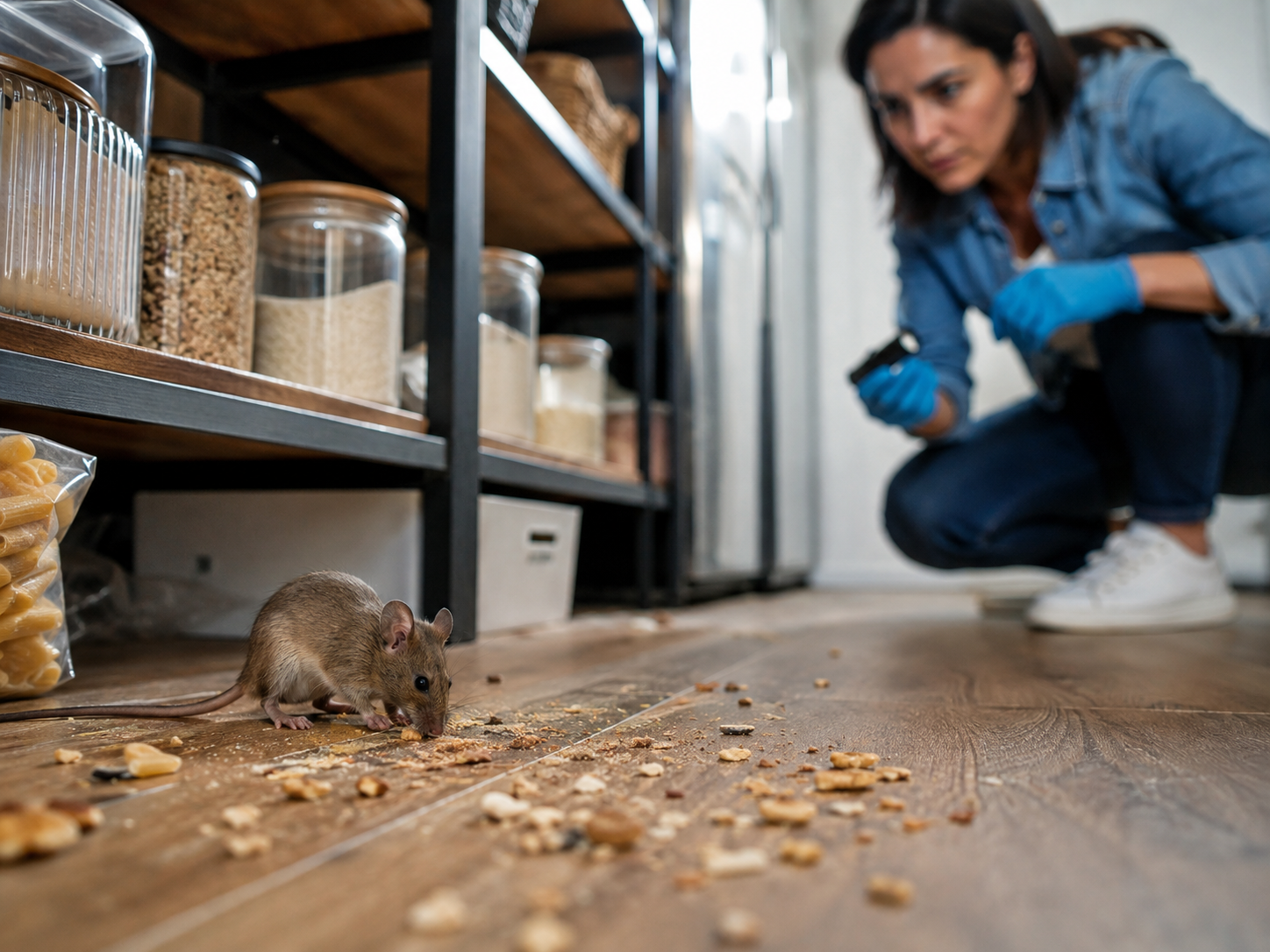
Mouse droppings, gnawed packaging or damaged stored food are signs that immediate action is needed. Mice and rats can contaminate supplies, damage packaging and quickly settle in a basement or pantry. First protect the food, close access routes and choose a solution according to the area and level of moisture.

If you notice rodents in the basement, remove contaminated food, store supplies in strong closed containers and clean the area safely. In dry indoor areas, a highly palatable soft bait is very suitable; for damp basements and more demanding conditions, wax blocks are a better choice. Always use baits in accordance with the label and in suitable tamper-resistant bait stations.

How can you identify rodents in the basement?

The following signs most commonly indicate the presence of mice or other rodents in a basement:

  • mouse or rat droppings
  • damaged packaging or scattered food
  • gnaw marks on wood, plastic or cables
  • damaged fruit, vegetables or other stored winter food
  • scratching at night, an unpleasant smell or movement marks along walls
  • holes or openings around walls and pipes

5 steps to protect stored winter food

  1. Seal possible entry points: Check doors, vents, openings around pipes and other passages and close them properly.
  2. Store supplies correctly: Keep grains, seeds, nuts, flour and animal feed in strong closed containers; do not leave bags directly on the floor.
  3. Keep the area clean and easy to inspect: Remove spilled food, hiding places and clutter, and inspect stored supplies regularly.
  4. Limit access to water and moisture: Repair leaking pipes, eliminate standing water and ensure good ventilation.
  5. Check critical points regularly: Start along walls, behind shelves, near doors and pipes – these are the places where rodents move most often.

Mouse droppings in the basement? Clean carefully

Rodents can contaminate surfaces and food with their excretions. First ventilate an area that has been closed for a long time. Do not sweep or vacuum droppings when dry; dampen or disinfect the surface and then clean it using a wet method. Discard contaminated food and food in damaged packaging.

Which Ratimor bait should you choose for a basement or pantry?

Situation

Recommended solution

Why

Dry basement or pantry, plenty of other food

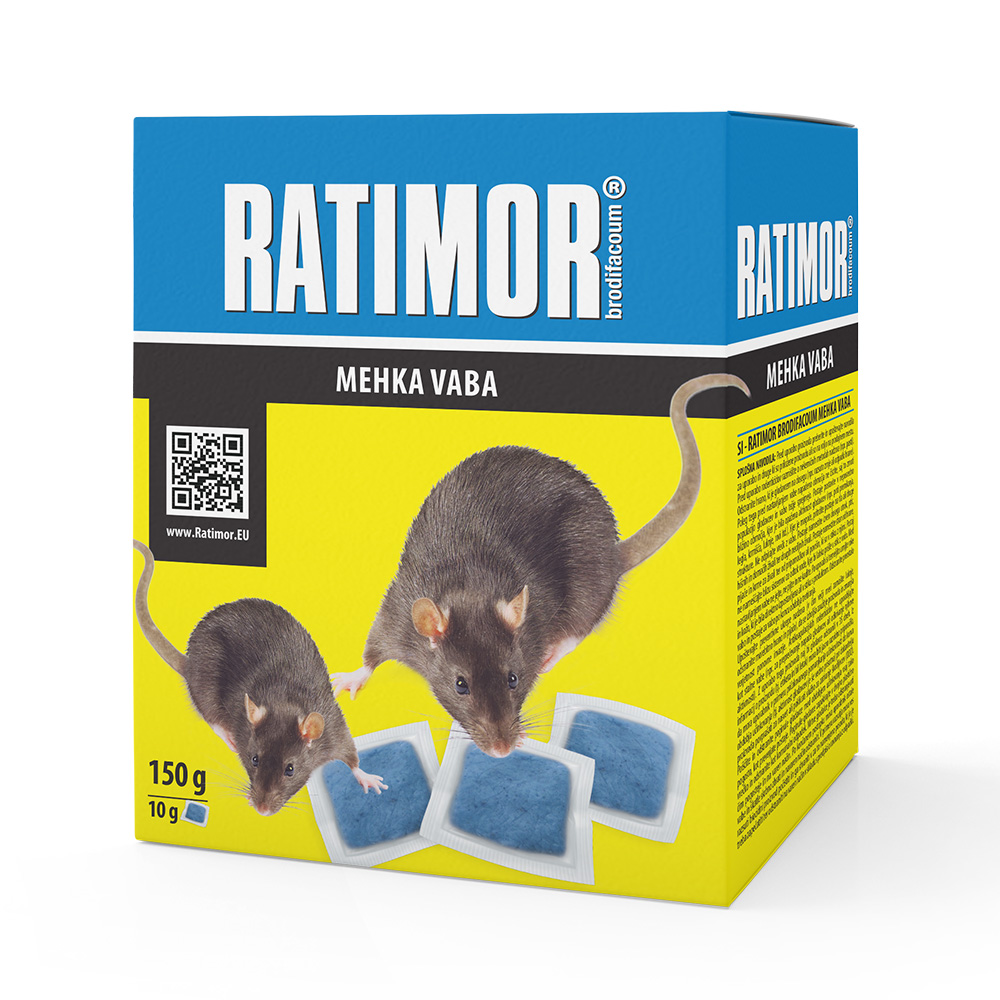
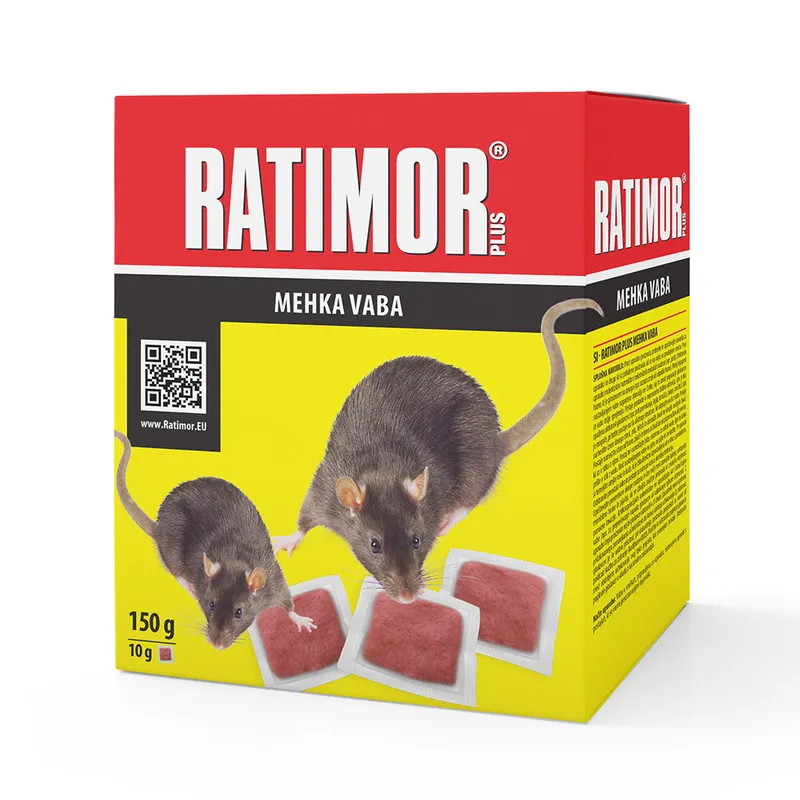
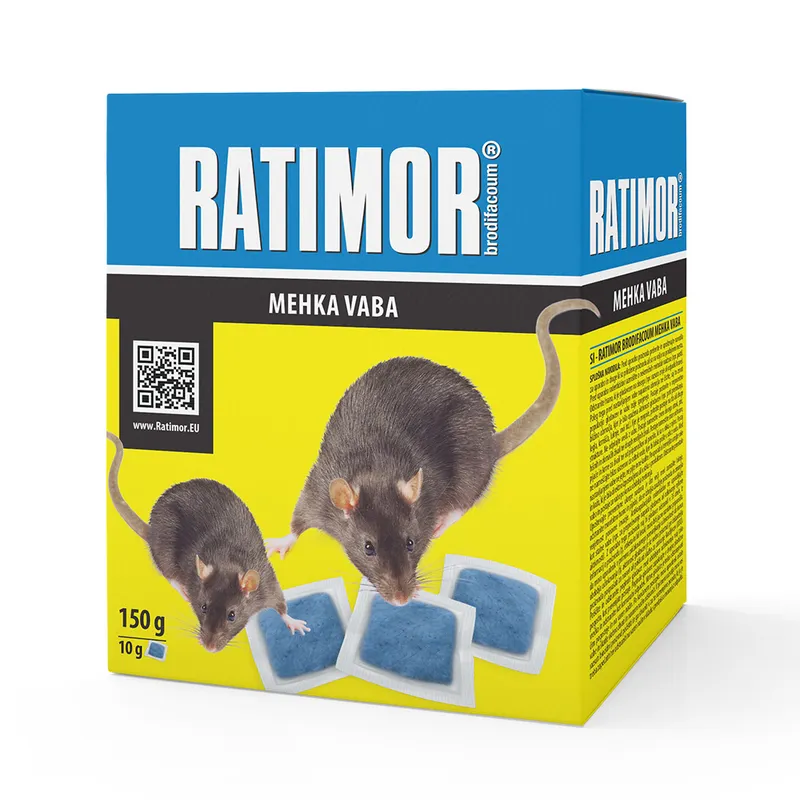
Ratimor Brodifacoum Soft Bait

Soft and moist formulation with exceptional palatability.

Damp basement or more demanding conditions

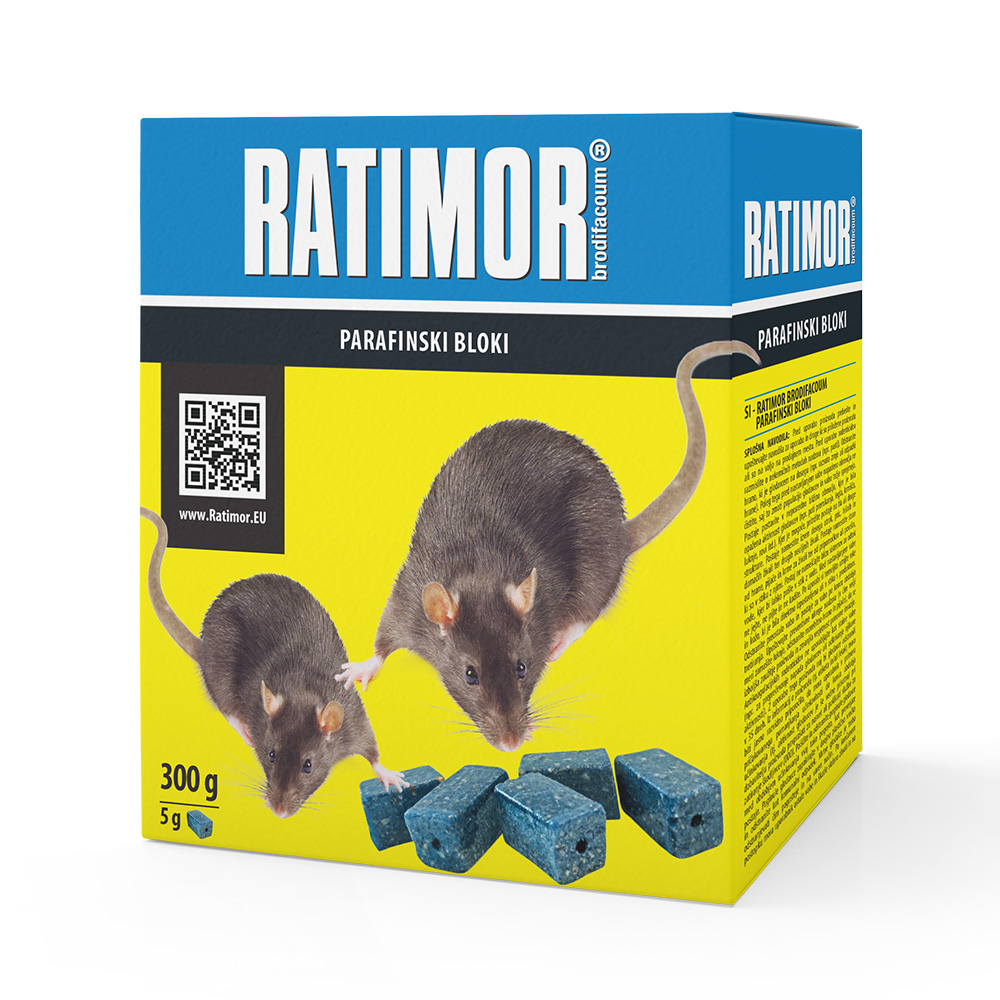
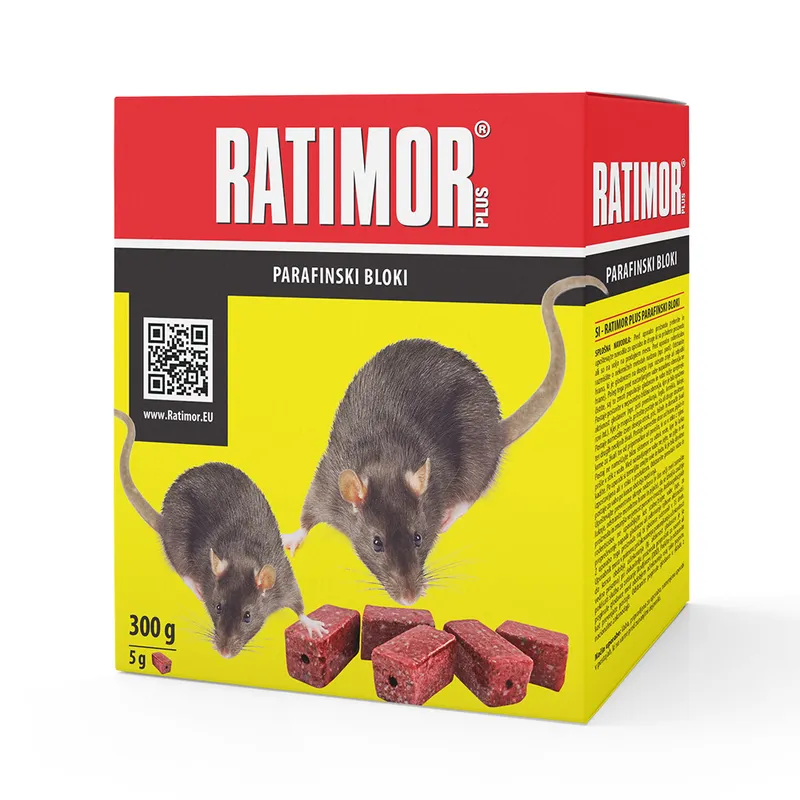
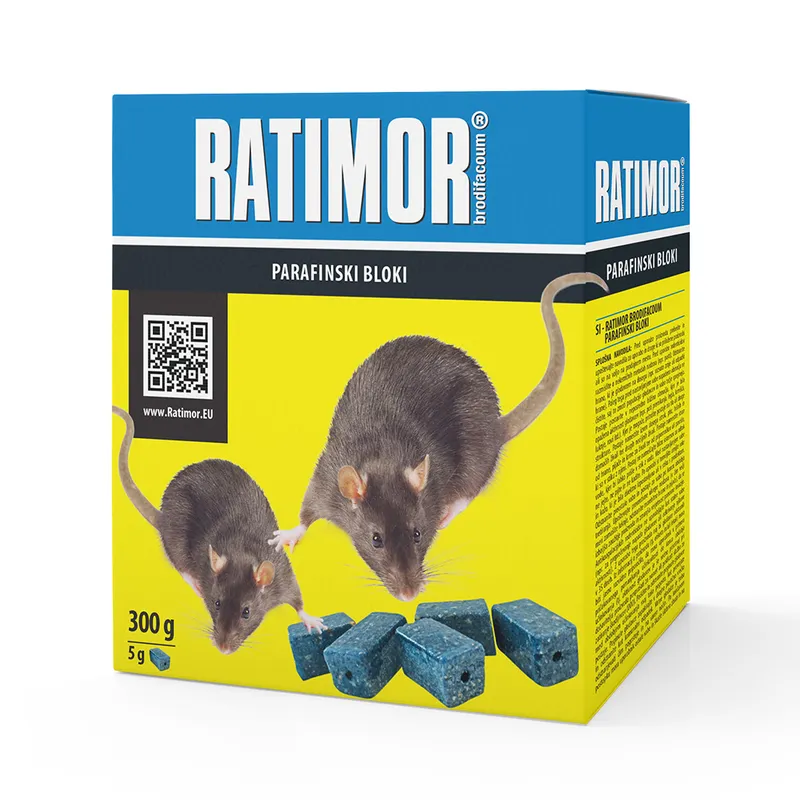
Ratimor Brodifacoum Wax Blocks

The wax formulation withstands moisture and external influences better.

Ratimor Brodifacoum Soft Bait – when palatability is crucial

Based on comparative tests, the soft and moist formulation has been proven to be the most palatable bait formulation. This is particularly important in basements and pantries, where rodents often have many alternative food sources available.

Ratimor Brodifacoum Wax Blocks – for damp and demanding conditions

Wax blocks are more suitable for damp basements, agricultural buildings, shafts and other demanding locations. The hole in the block allows secure fixing in a tamper-resistant bait station.

Where should the bait be placed?

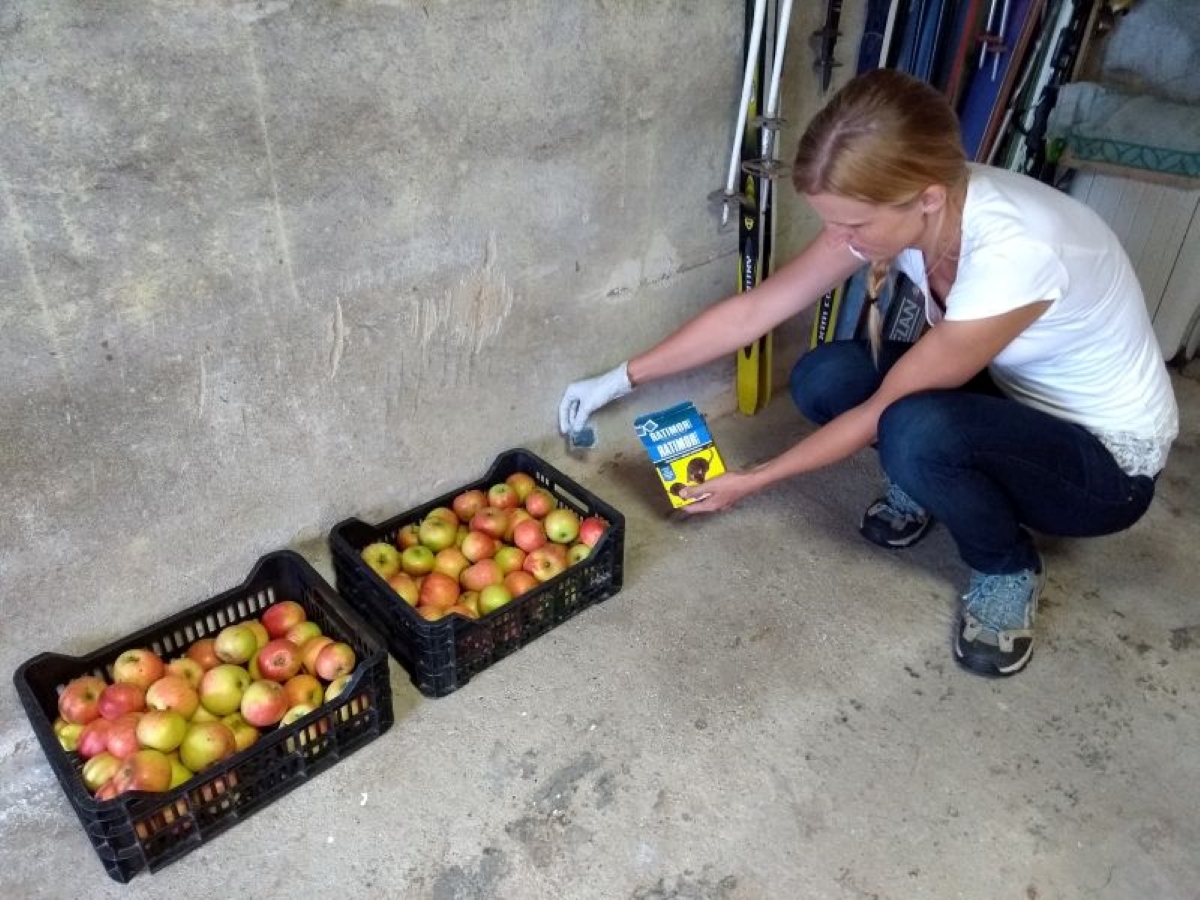
Place baits on the rodents’ actual movement routes – along walls, near droppings, gnaw marks, damaged packaging or openings. Always use them in suitable tamper-resistant bait stations and in accordance with the label. At the same time, limit alternative sources of food and water and monitor bait consumption.

Important! Good results require a combination of prevention and control. If sources of food, water and access to the area remain open after bait is placed, the problem may return.

Use biocides safely. Always read the label and product information before use.

Frequently asked questions

The most common signs are droppings, gnawed packaging, damaged food, scratching at night and movement marks (greasy smears) along walls.