Rats in the city? If you see them, act immediately

Urban environments offer rats numerous opportunities to survive and reproduce. Their presence can cause damage, contamination and hygiene risks, so prevention and effective control are essential for long-term management.

7/8/2026

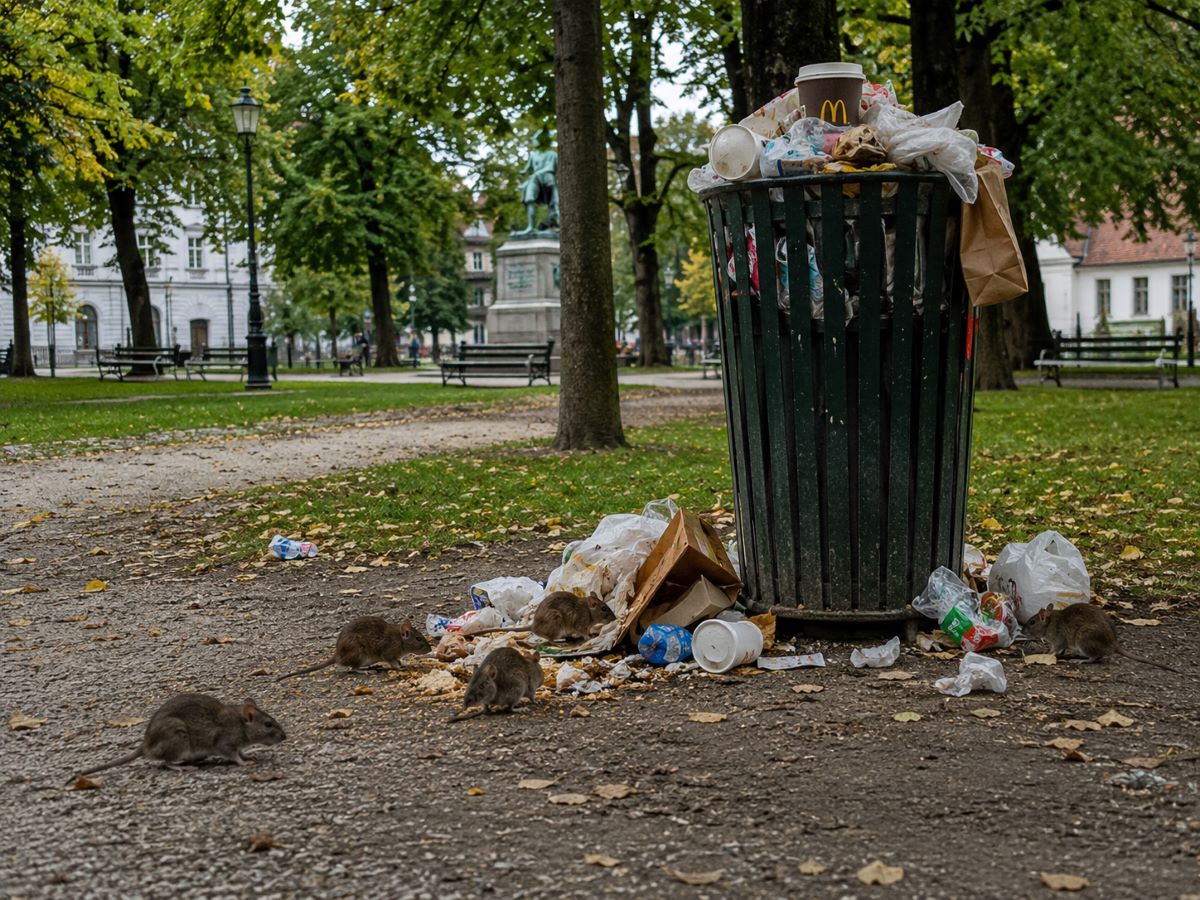
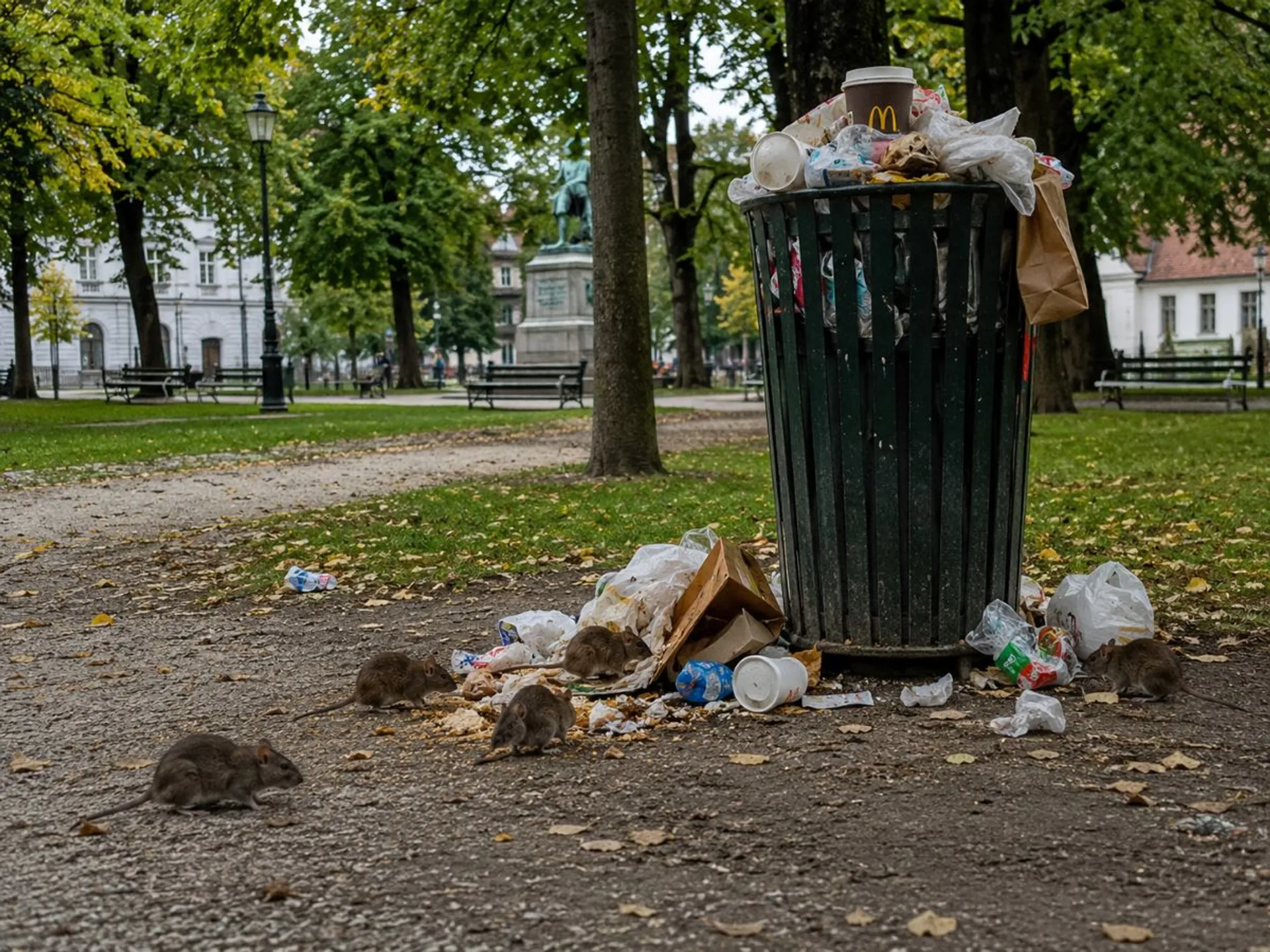
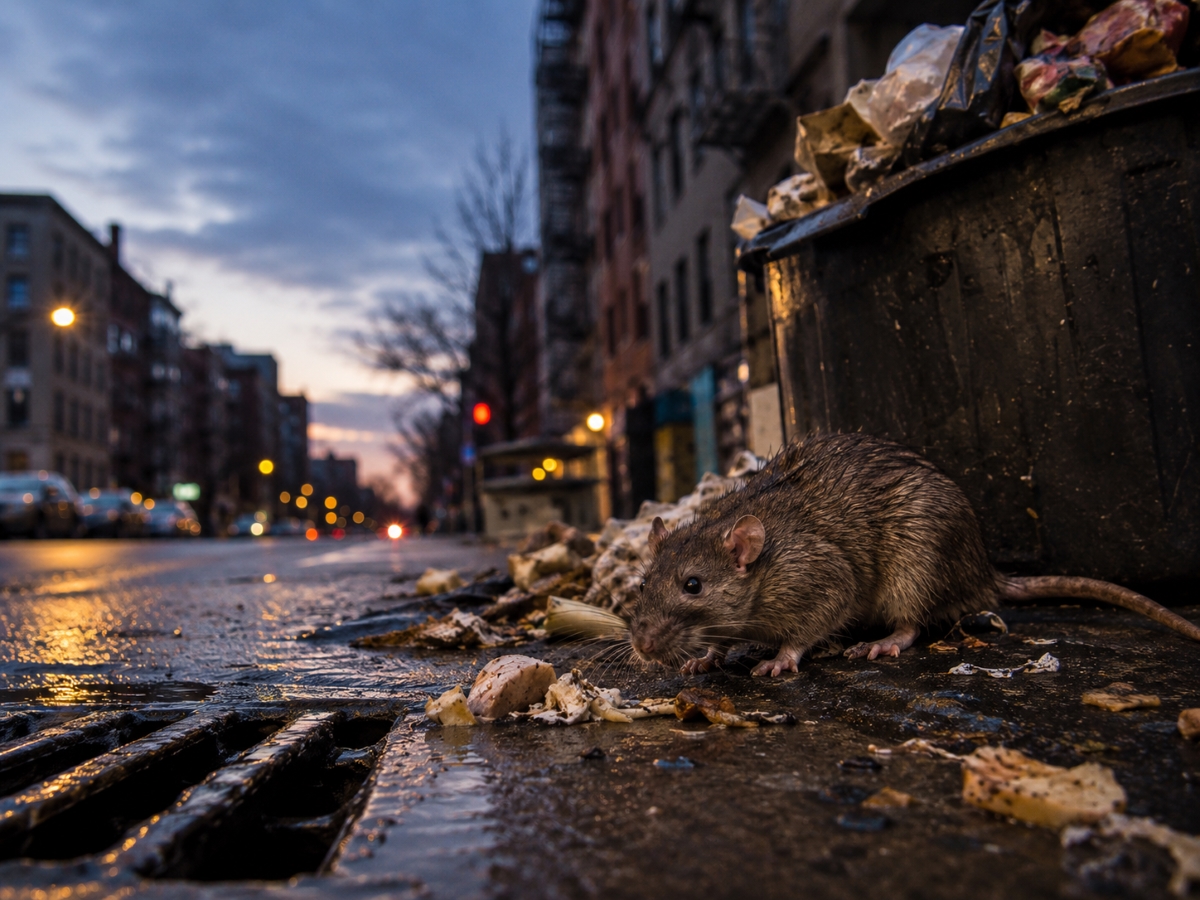
A rat near a rubbish bin, apartment block, garage or in a basement is not something to ignore. It means rodents have access to food, water and hiding places in the surrounding environment. Because they reproduce quickly, it is sensible to act at the first sighting – before a small problem becomes a larger one.

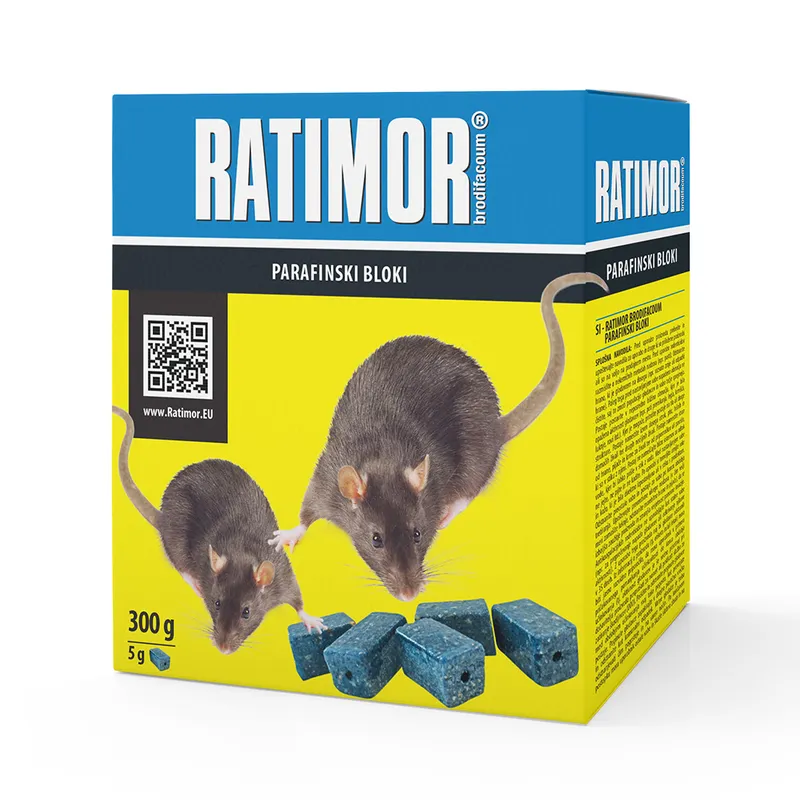
If you see a rat, first remove accessible sources of food and water, close rubbish bins and check movement routes along walls, pipes and buildings. Where there is a larger or recurring presence, an effective rodenticide bait is appropriate; wax blocks are particularly practical for damp locations and areas around buildings. Always use rodenticides in accordance with the label and in suitable tamper-resistant bait stations.

Why are rats so common in cities?

The urban environment often provides everything they need to survive: food, water and safe hiding places. The following most commonly contribute to their presence and spread:

  • food residues and improperly closed bins
  • damp and quiet areas
  • basements, garages and shared areas
  • openings around pipes and building edges
  • warehouses and other areas with food stocks
  • sewer shafts and drains that provide access to buildings

How can you recognise the presence of rats?

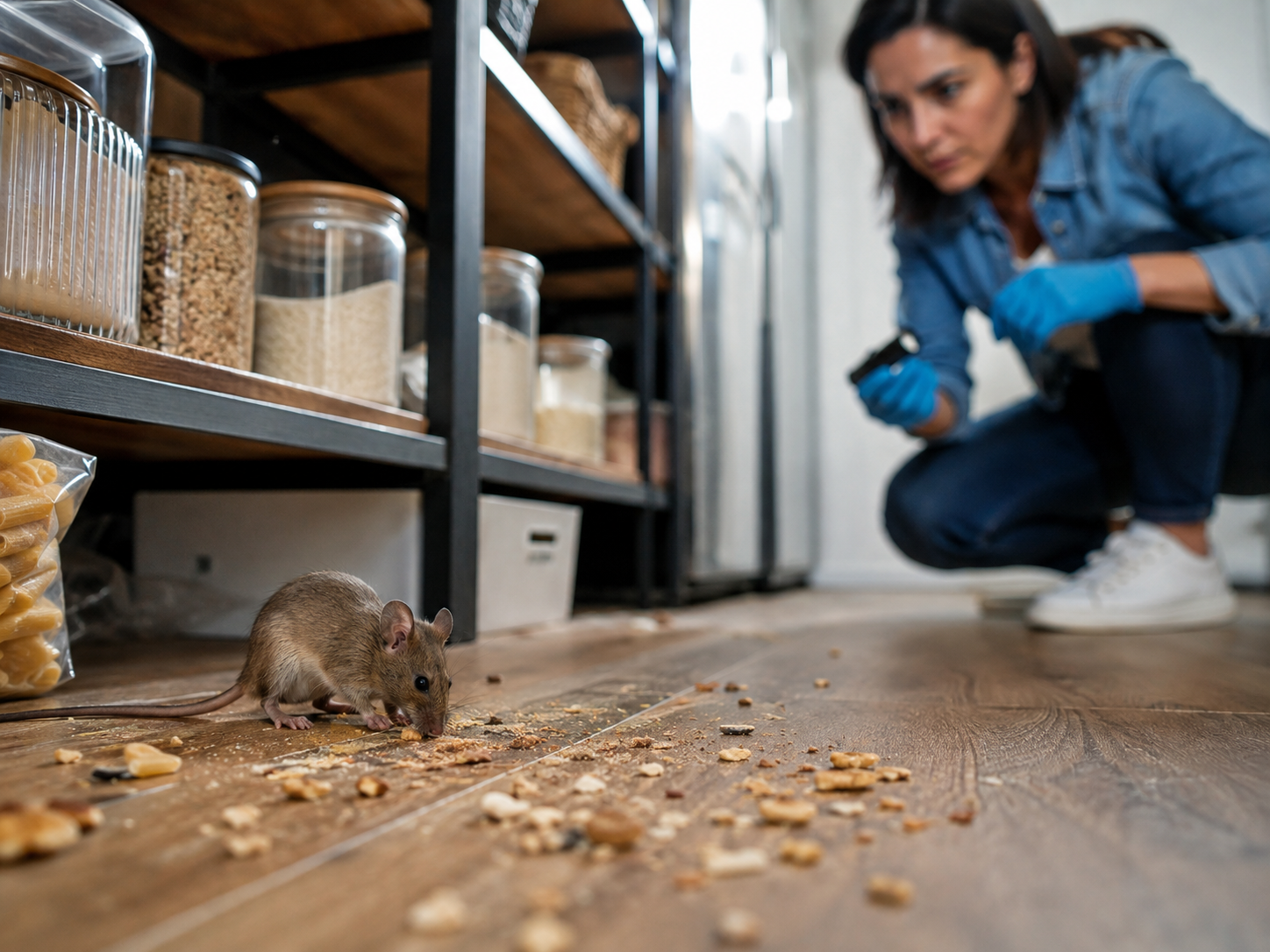
  • Larger dark droppings along walls or near bins
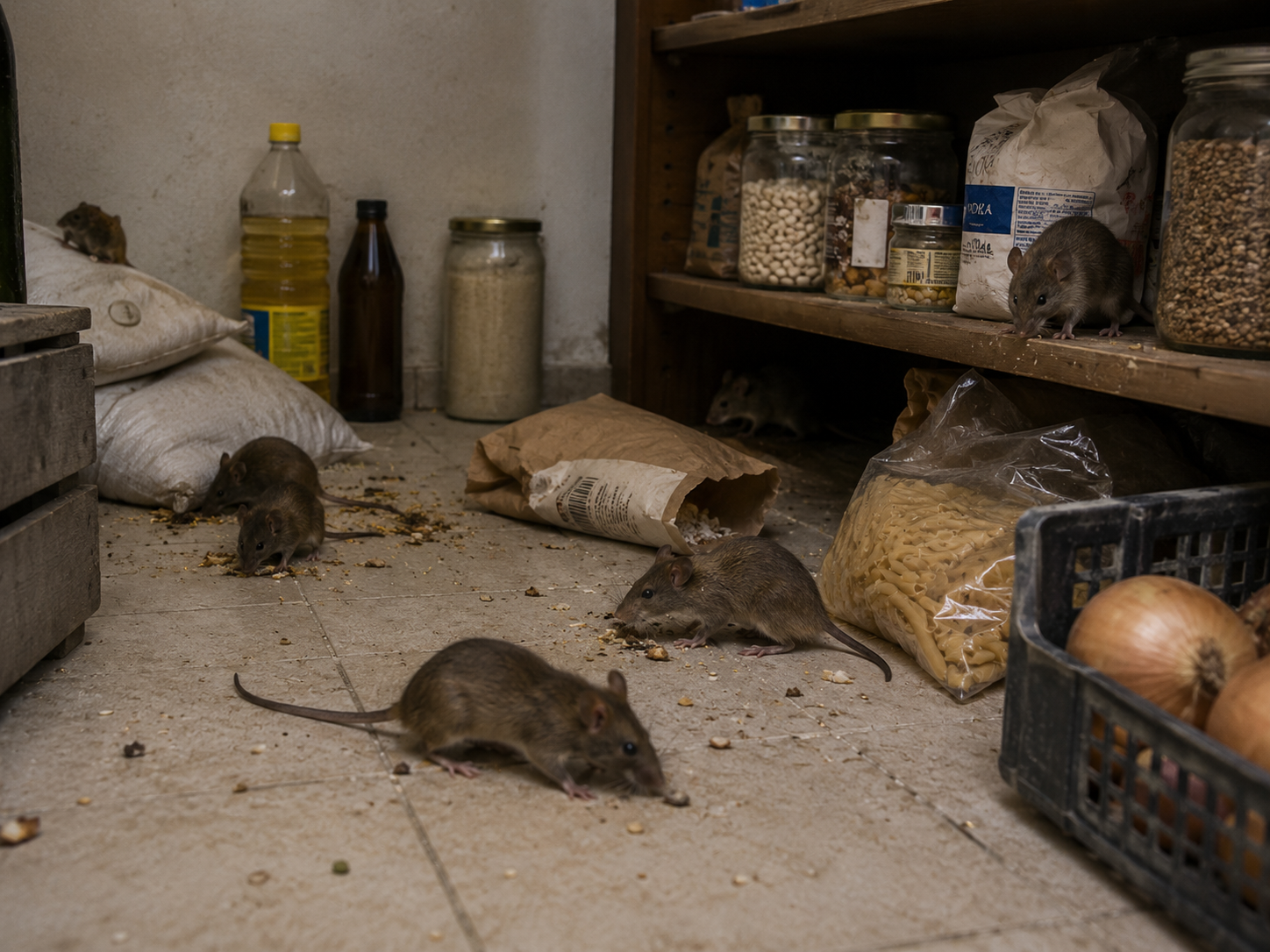
  • Damaged packaging and scattered food
  • Gnaw marks on wood, plastic, cables or doors
  • An unpleasant smell in enclosed areas
  • Rustling, scratching or movement, especially at night

Rats also pose a health risk

Through urine, droppings and other excretions, rats can contaminate surfaces, food stocks and the environment. Important diseases associated with rodents include leptospirosis and haemorrhagic fever with renal syndrome (HFRS).

If you find droppings: Ventilate the area thoroughly. Do not sweep or vacuum droppings when dry; dampen or disinfect the surface and then clean it using a wet method. Wear protective gloves while cleaning.

What should you do immediately when you see rats?

  • Remove accessible sources of food and water.
  • Close rubbish bins and clean the area around them.
  • Check basements, garages and other shared areas.
  • Identify movement routes along walls, pipes and building edges.
  • Place suitable baits at critical points in tamper-resistant bait stations.
  • In an apartment building, inform the building manager or responsible person, as coordinated action is often required.

Which Ratimor bait should you choose?

Situation

Recommended solution

Why

Plenty of other food in the area

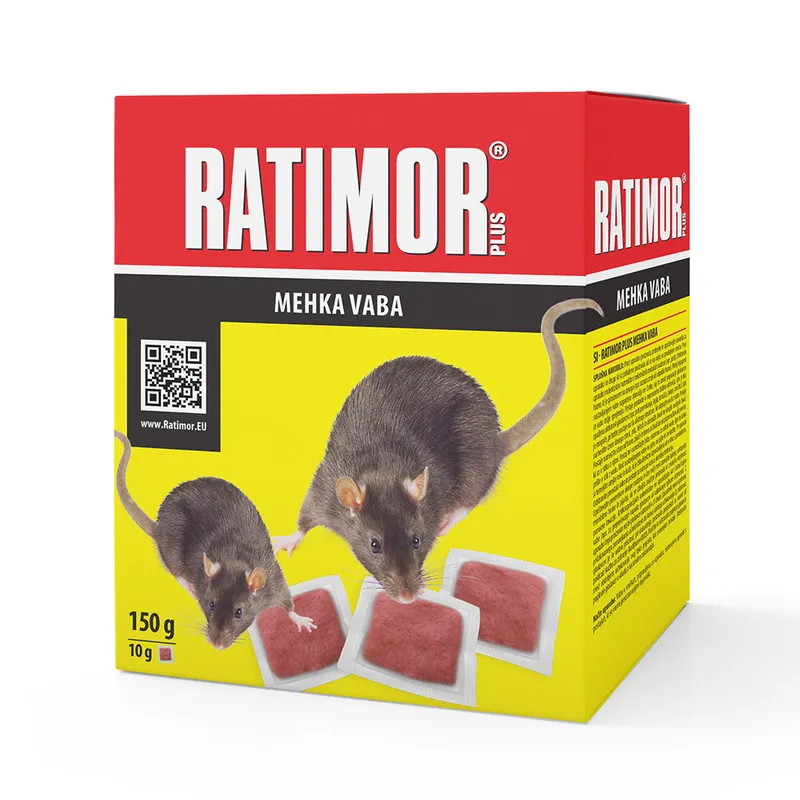
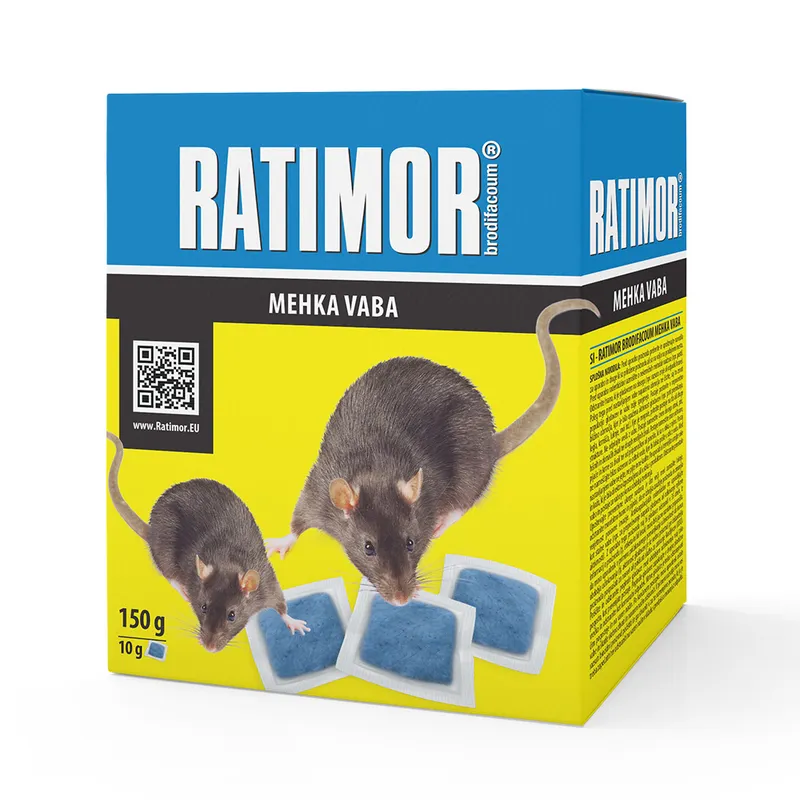
Ratimor PLUS Soft Bait

Soft and moist formulation with very high palatability.

Larger or recurring presence

Ratimor Brodifacoum Soft Bait

High palatability and brodifacoum with single-feed action.

Damp areas and around buildings

Ratimor Brodifacoum Wax Blocks

The wax formulation withstands moisture and demanding conditions better.

Why is bait palatability important?

If rats have plenty of other food available, they may ignore a less attractive bait. Comparative palatability tests have shown the soft and moist formulation of Ratimor Soft Bait to be the most palatable bait formulation.

Where should rat bait be placed?

Place baits along walls and on actual movement routes – in basements, garages, along building edges and pipes, or wherever you see droppings and other signs. Rats can be cautious around new objects, so do not move bait stations unnecessarily. Check baits regularly and replenish them in accordance with the label.

Frequently asked questions

It is a warning that rats have access to food, water and hiding places in the area. Act at the first sighting.