
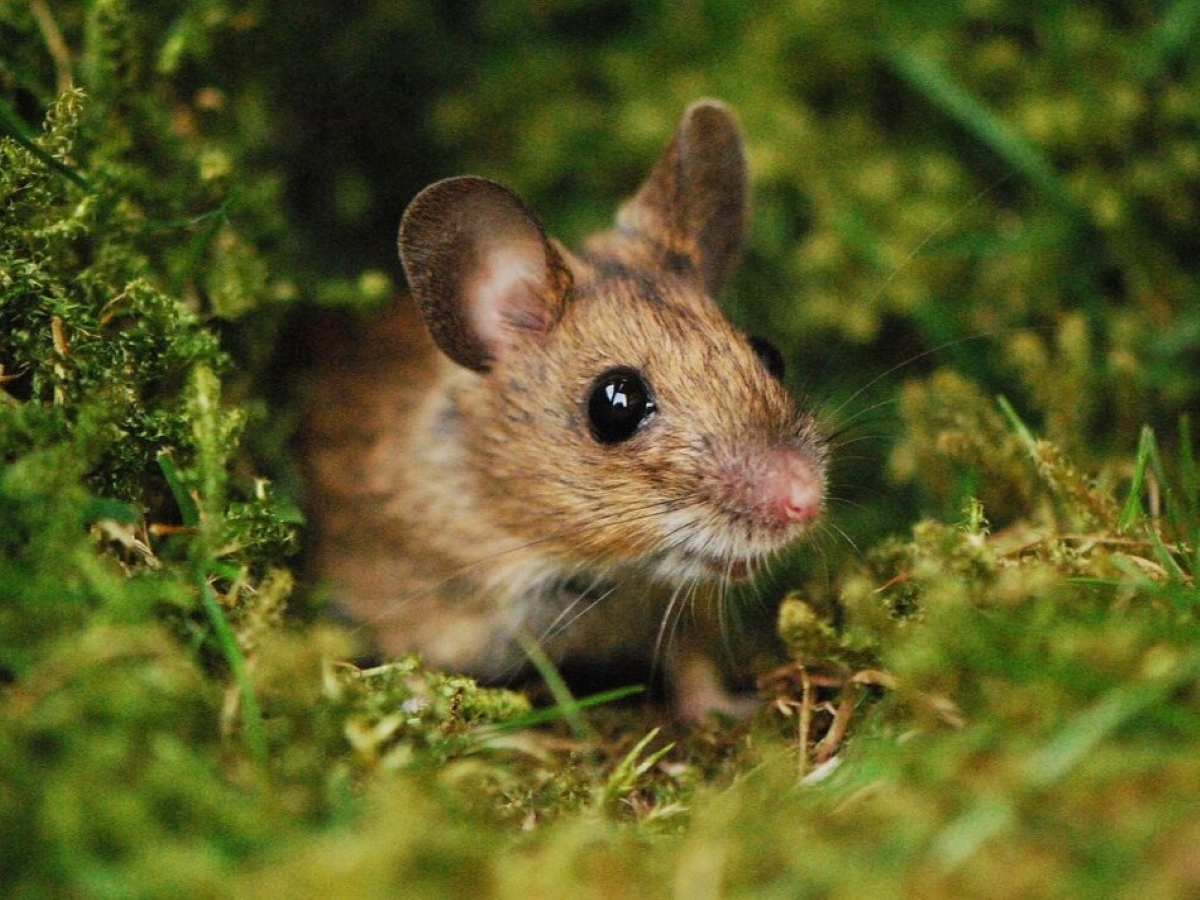
Mice and rats in the garden? When prevention is no longer enough, act in time

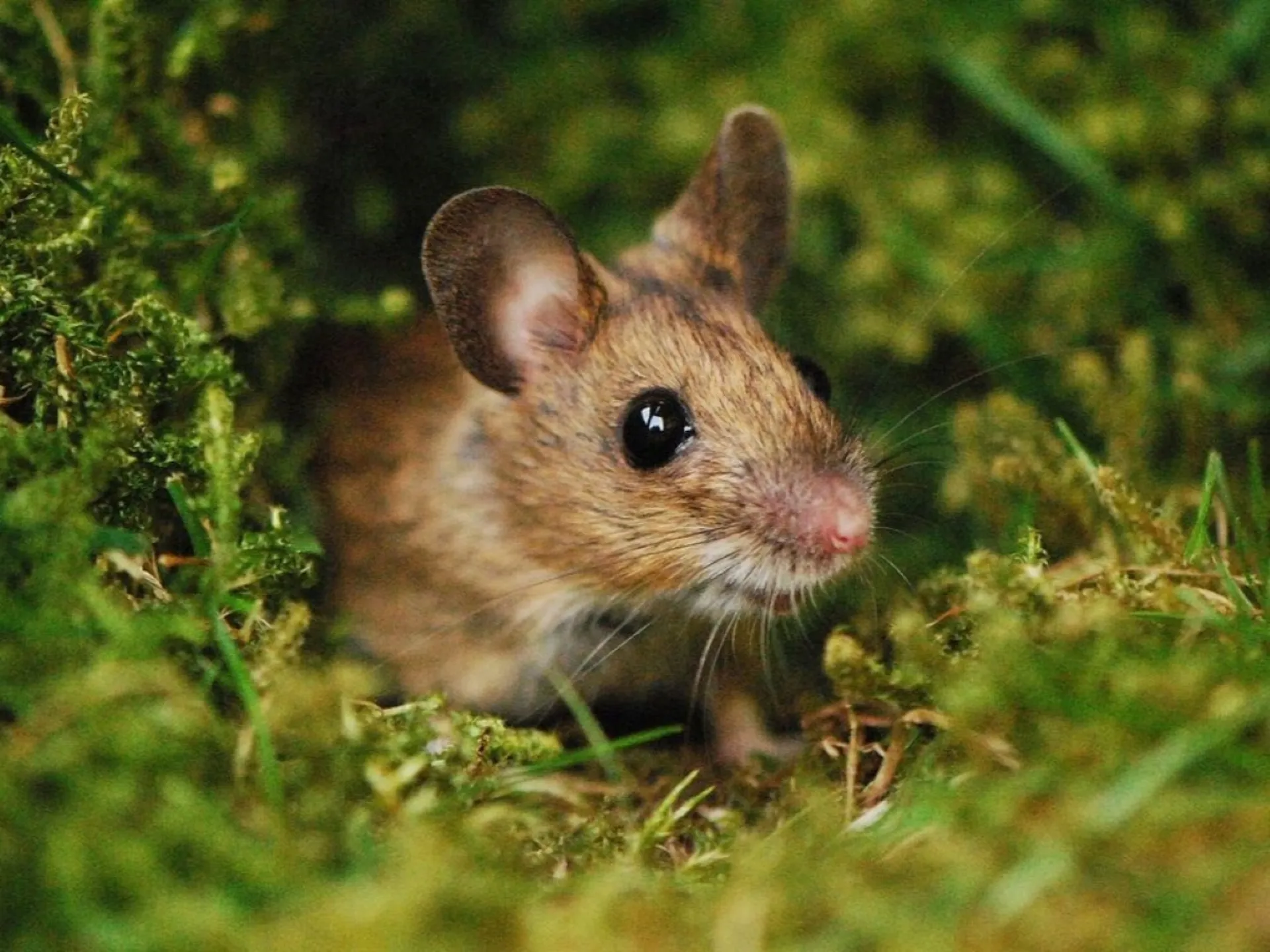
Mice and rats in the garden can damage crops, roots and stored supplies and may eventually move closer to the home. A tidy environment, limiting food sources and properly protecting garden buildings help reduce the risk of their presence.


7/8/2026

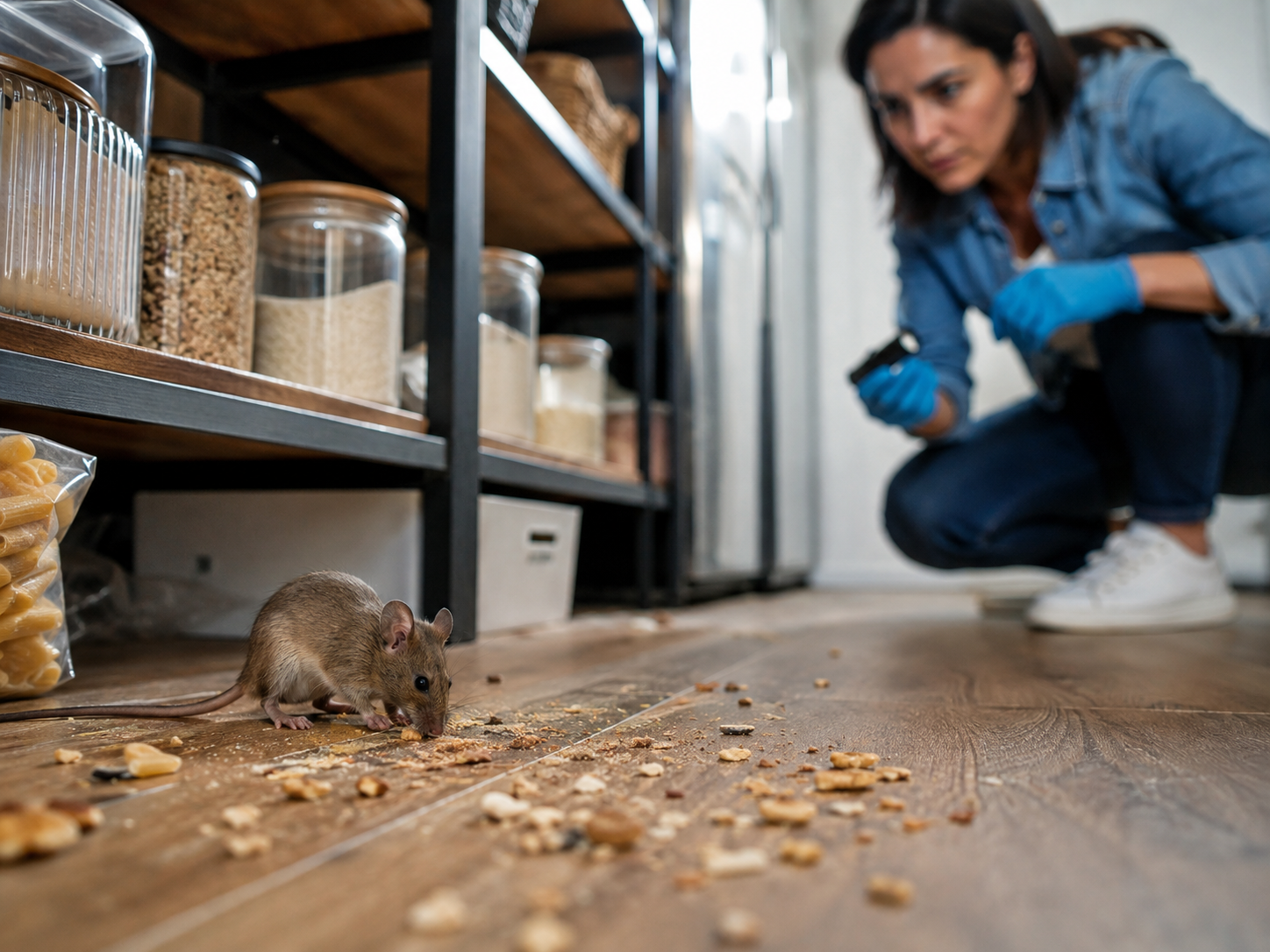
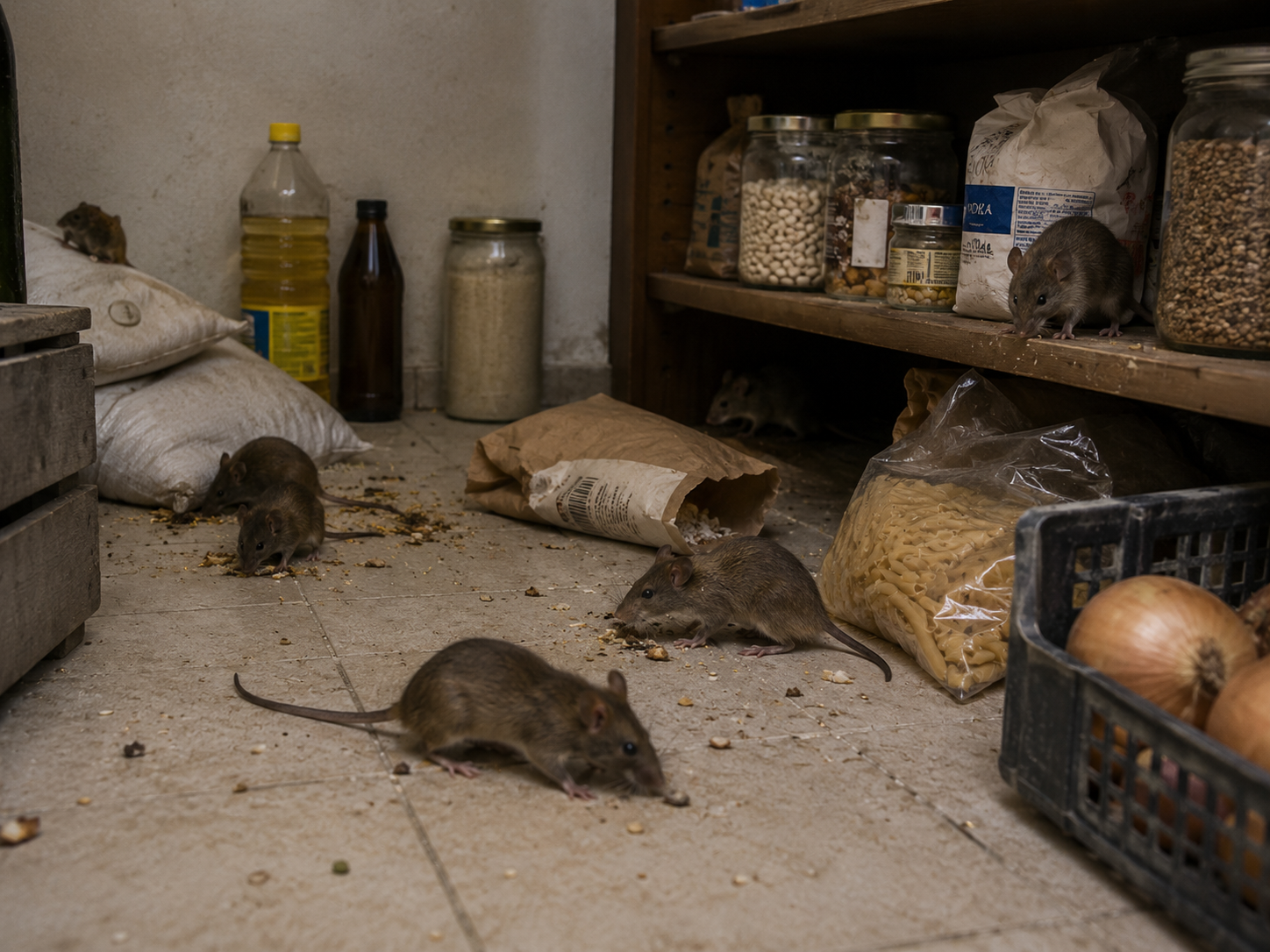
Gnawed crops, burrows, damaged roots or droppings beside a garden shed are signs that rodents are nearby. Mice and rats can quickly cause damage in the garden, but an even greater problem arises when they move into the garage, woodshed, basement or house. It is therefore important to act early and choose a solution according to the scale of the problem.

First tidy the surroundings, remove sources of food and water and close access to garden buildings. For low levels of activity, use mechanical traps. Rodenticides are appropriate when preventive measures and mechanical solutions are not sufficient. Outdoors, use them only as permitted by the label – in suitable tamper-resistant bait stations.

How do you know if you have rodents in the garden?

  • Gnawed fruit, tubers, seeds or seedlings
  • Damaged roots and young plants
  • Burrows or holes in the soil along the edges of the garden and around buildings
  • Droppings near the garden shed, woodshed, garage or compost bin
  • Gnawed bags of seeds, feed or other supplies
  • Gnaw marks on garden buildings, fences or wooden elements

5 preventive measures

  1. Remove hiding places: Tall grass and piles of branches, boards and garden waste create safe hiding places for rodents.
  2. Do not let the compost bin become a food source: Do not place food that attracts rodents on an open compost heap. Keep the compost area tidy and maintain it regularly.
  3. Store seeds and feed in closed containers: Bags of supplies are highly attractive; use strong, securely closed containers.
  4. Close access to the garden shed, garage and woodshed: Check doors, pipes and other passages and seal possible entry points.
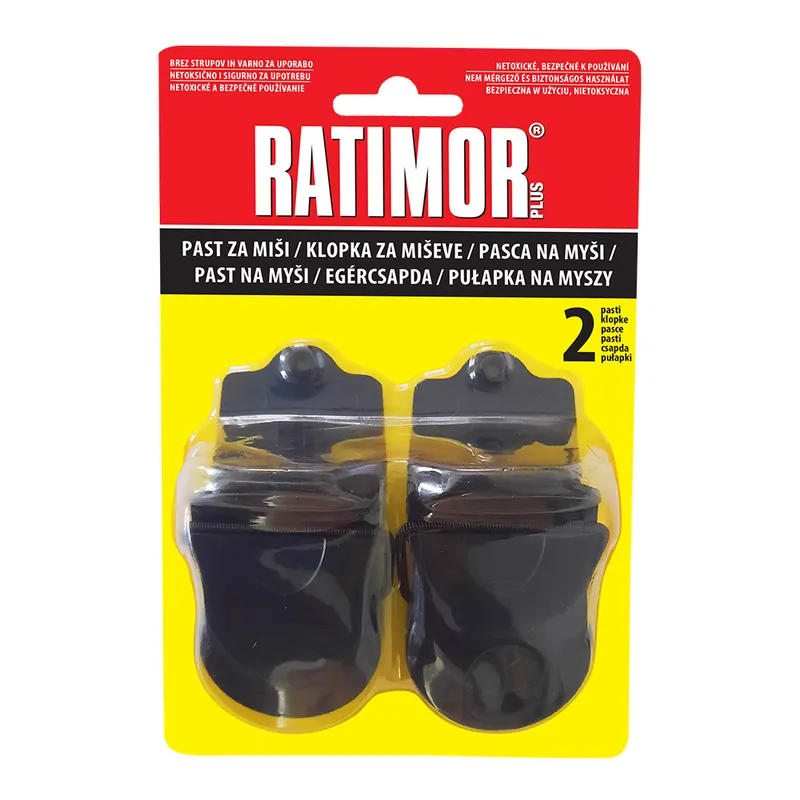
  5. For low activity, use mechanical traps: If you are dealing with a single mouse and rodent activity has been detected early, mechanical traps are a sensible first solution.

When is prevention no longer enough?

If rodents continue to appear despite preventive measures, damage keeps recurring or the animals move into nearby buildings, it makes sense to consider a rodenticide bait. It is important, however, to choose it according to the environment and use it responsibly.

Important: rodenticide baits should never be placed directly in garden beds. Do not place rodenticide baits loose on the ground, among vegetables, next to crops or directly into burrows. Use them only in locations and in the manner permitted by the product label and in suitable tamper-resistant bait stations.

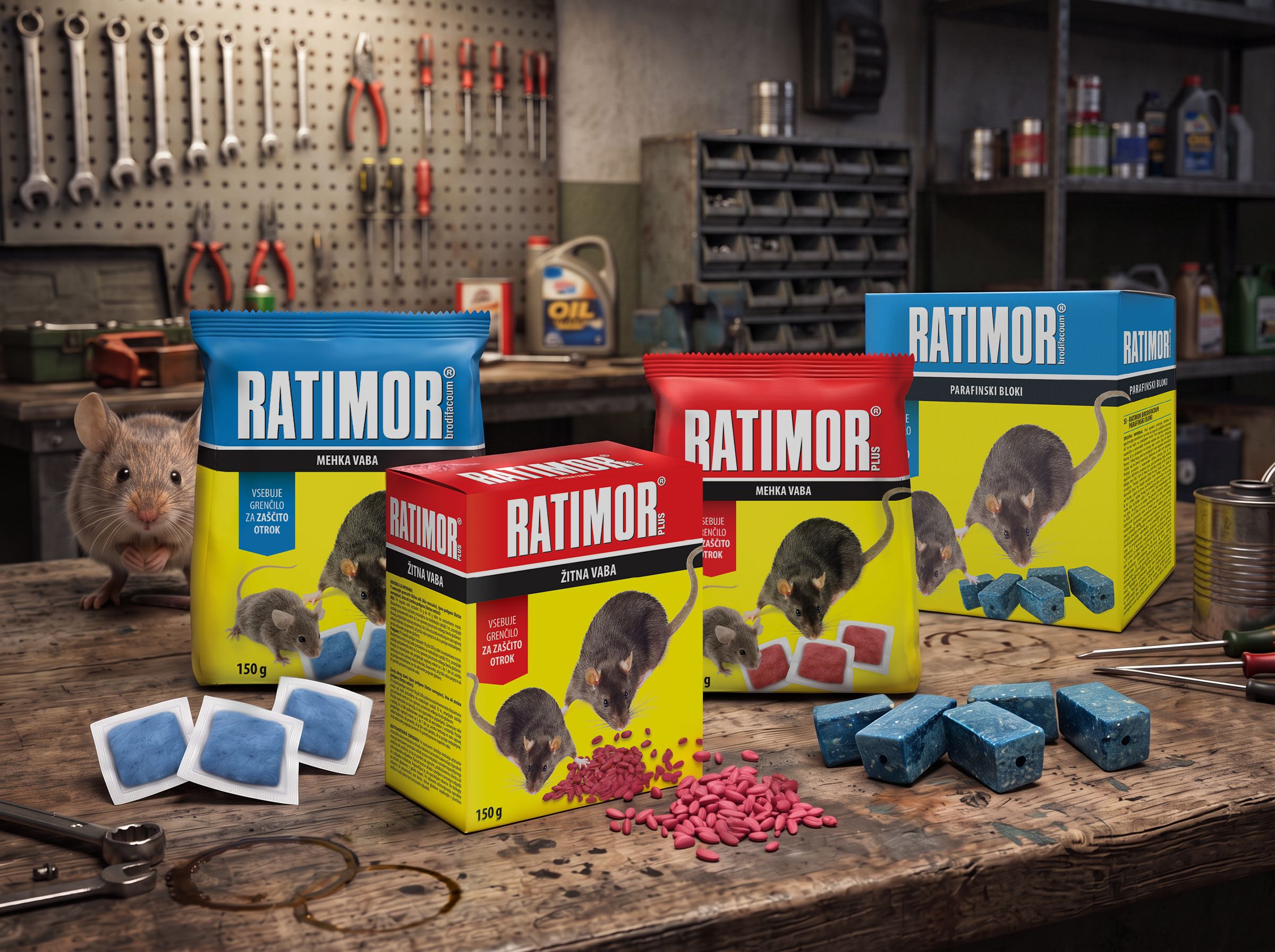
Which Ratimor solution should you choose?

Situation

Recommended solution

Why

Damp areas around buildings, garden shed, garage

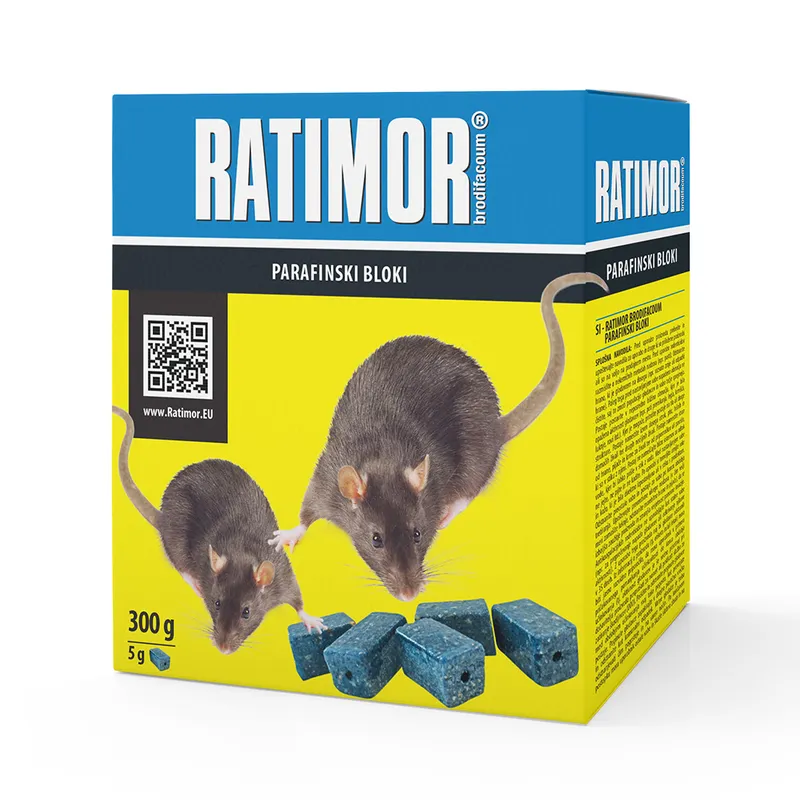
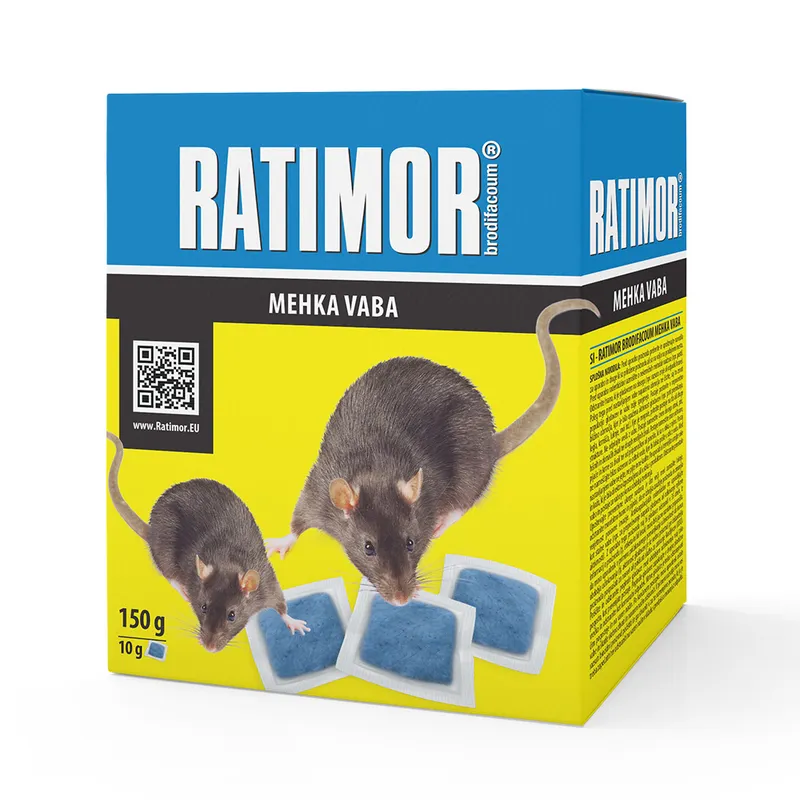
Ratimor Brodifacoum Wax Blocks

The wax formulation withstands moisture and demanding conditions well.

Routine control in damp conditions

Ratimor PLUS Wax Blocks

Bromadiolone, good palatability and resistance to moisture.

Protected indoor area with plenty of other food

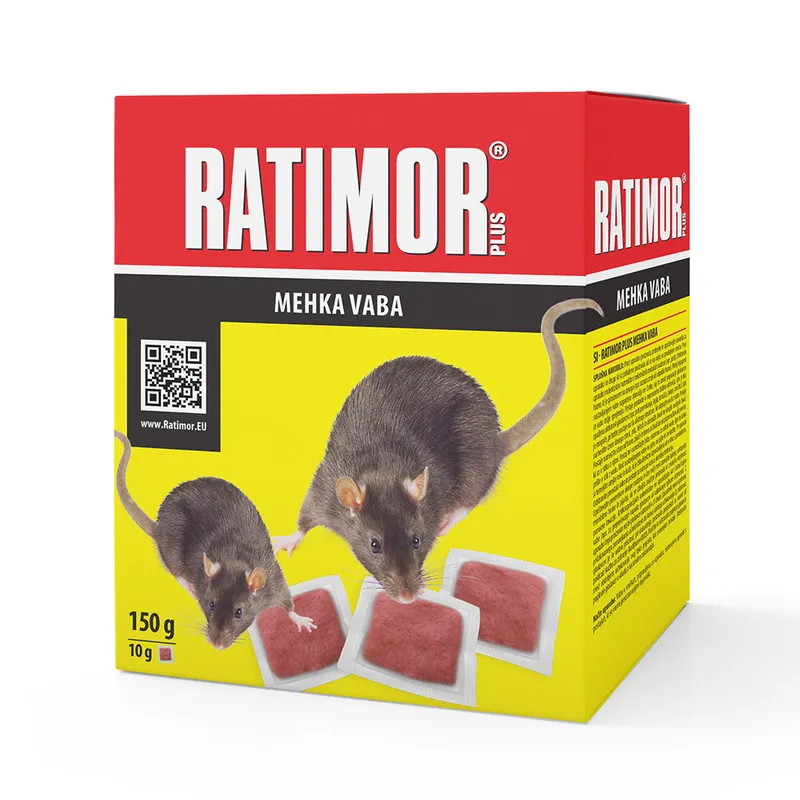
Ratimor PLUS Soft Bait

Soft and moist formulation with very high palatability.

Why is palatability important?

In gardens and around the house, rodents often have many alternative food sources. Based on comparative testing, soft bait has been proven to be the most palatable bait formulation. High palatability is therefore particularly important where the bait has to compete with seeds, fruit, feed or other food sources.

5 rules for responsible rodenticide use

  • Always read the product label first.
  • Place the bait in a tamper-resistant bait station and secure it where possible.
  • Do not place bait loose in the garden or directly on the ground.
  • Check baits regularly and replenish them in accordance with the instructions.
  • Remove dead rodents and at the same time eliminate sources of food, water and hiding places.

Frequently asked questions

First remove food, water and hiding places and use mechanical traps for low levels of activity. If the problem persists, a rodenticide bait is appropriate only where permitted by the label.