Mice and rats in the house? Act immediately – protect your health, food and home

Mice and rats in the house can threaten food supplies, damage equipment and cause hygiene problems. Long-term protection of the home depends on preventing access, removing sources of food and water and applying appropriate control measures.

7/8/2026

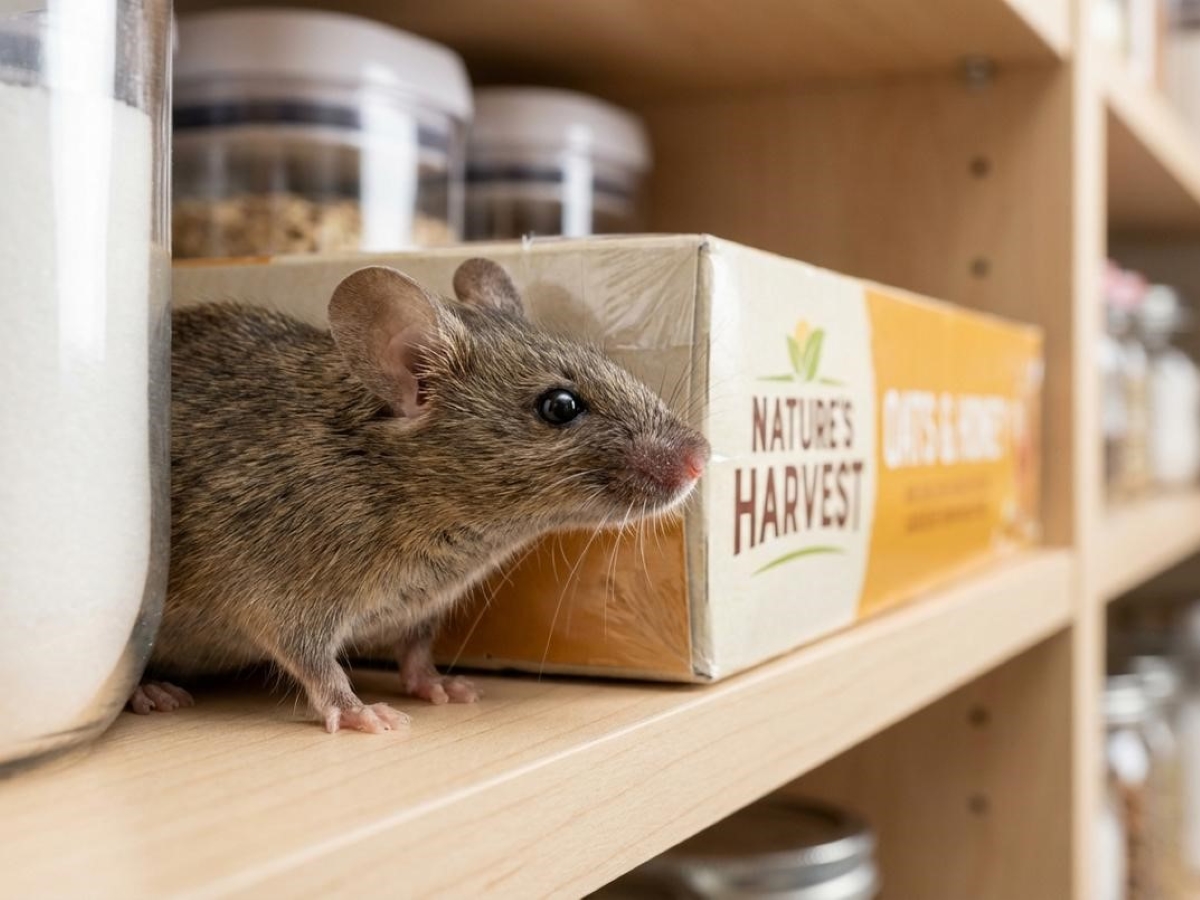
Mouse droppings, gnawed packaging or scratching at night are not harmless signs. Mice and rats can contaminate food, damage materials and pose a health risk. The most effective approach is to act at the first signs: close access routes, remove food and water sources and choose a solution according to the location and scale of the problem.

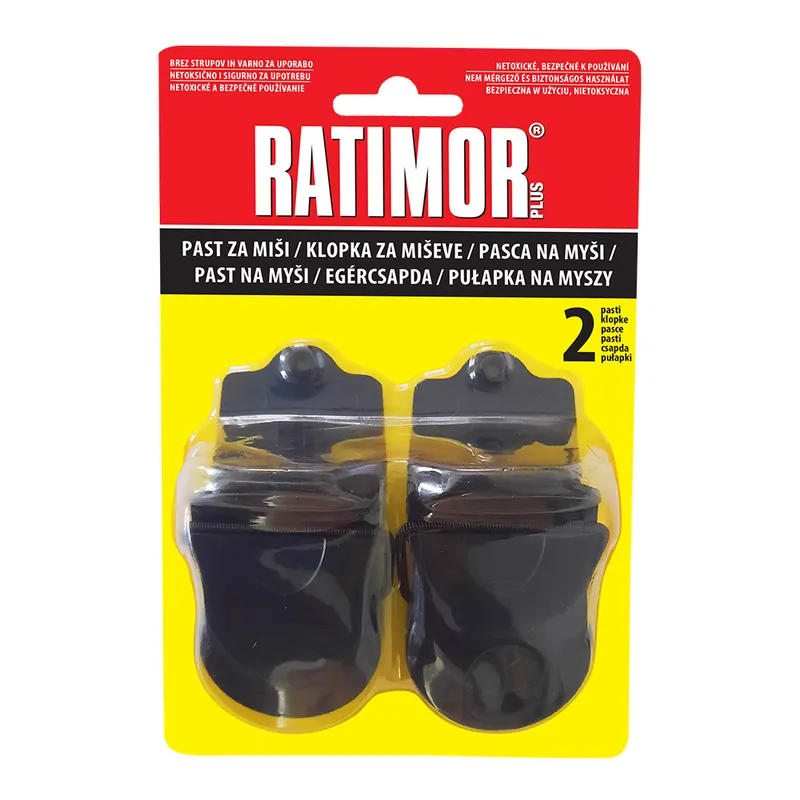
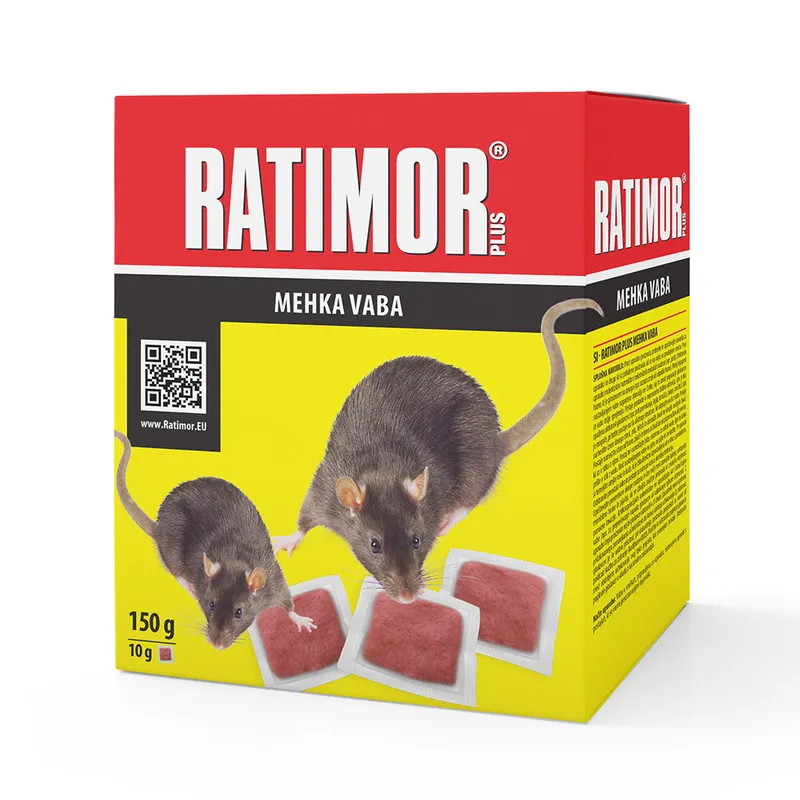
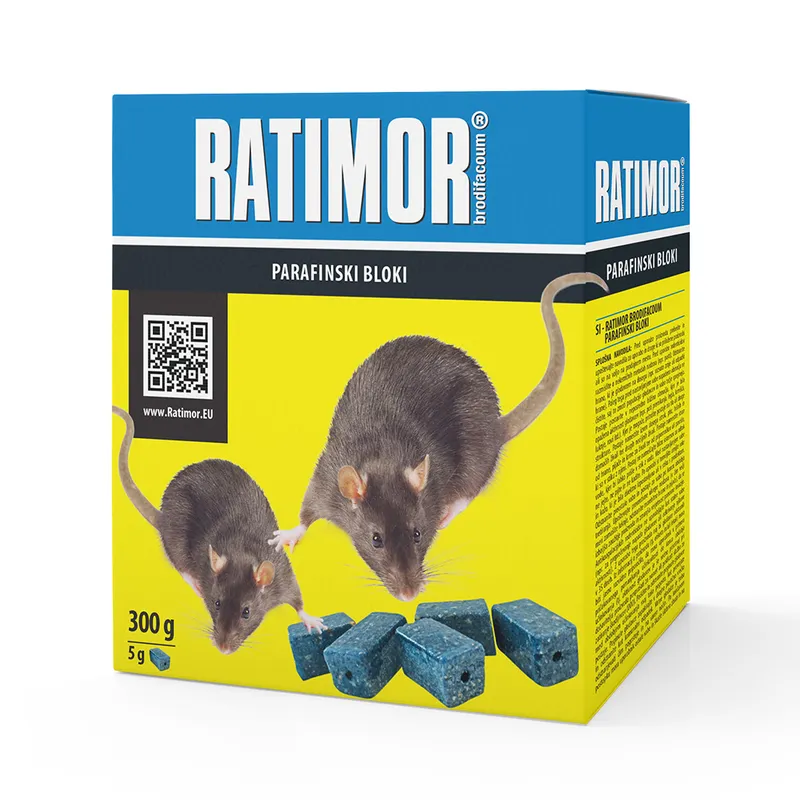
For individual mice, mechanical traps may be sufficient. Where there is a larger or recurring presence, rodenticide baits are appropriate. Soft bait is an excellent choice where plenty of other food is available; wax blocks are more suitable for damp and more demanding areas. Always use rodenticides in accordance with the label and in suitable tamper-resistant bait stations.

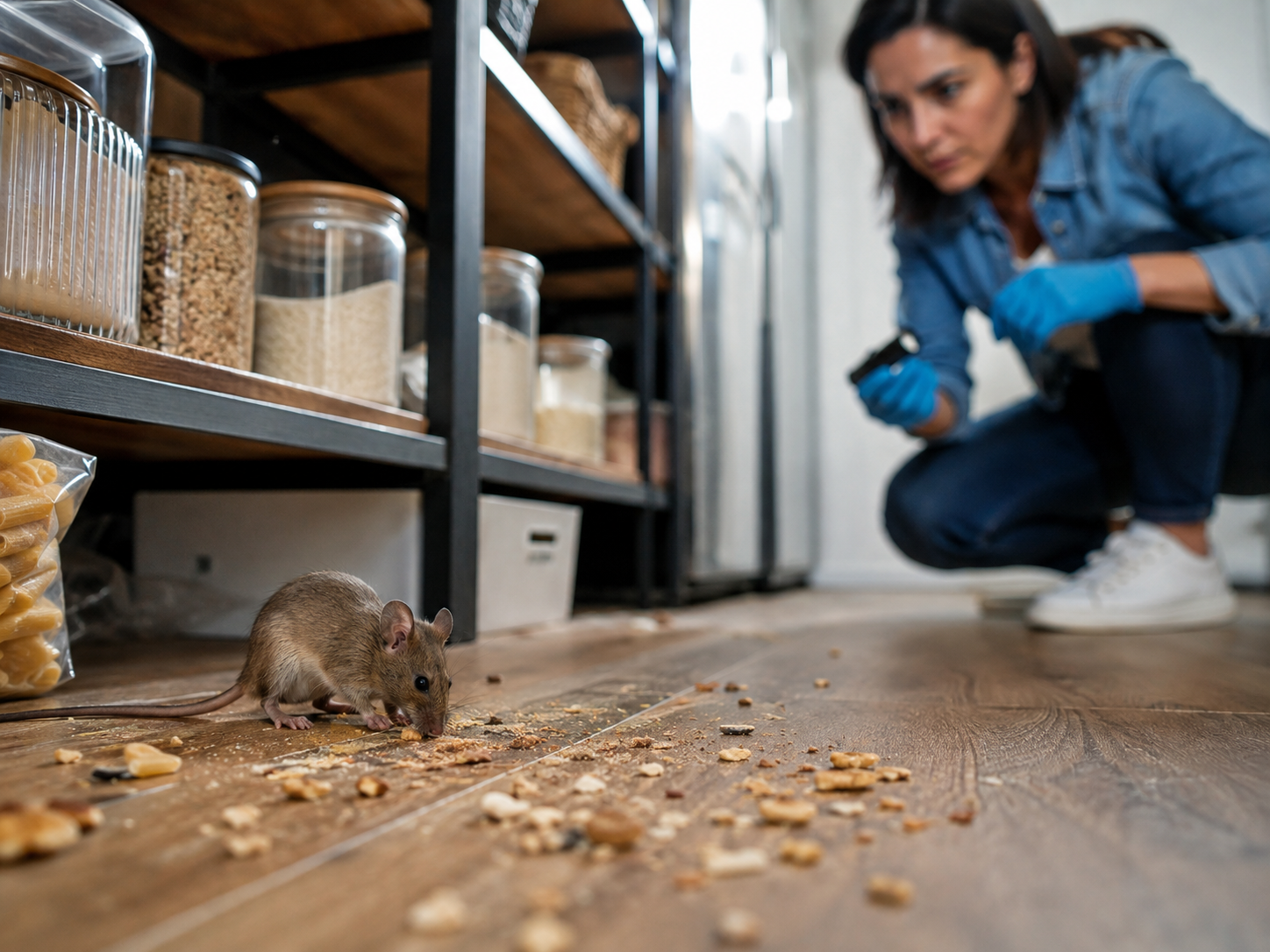
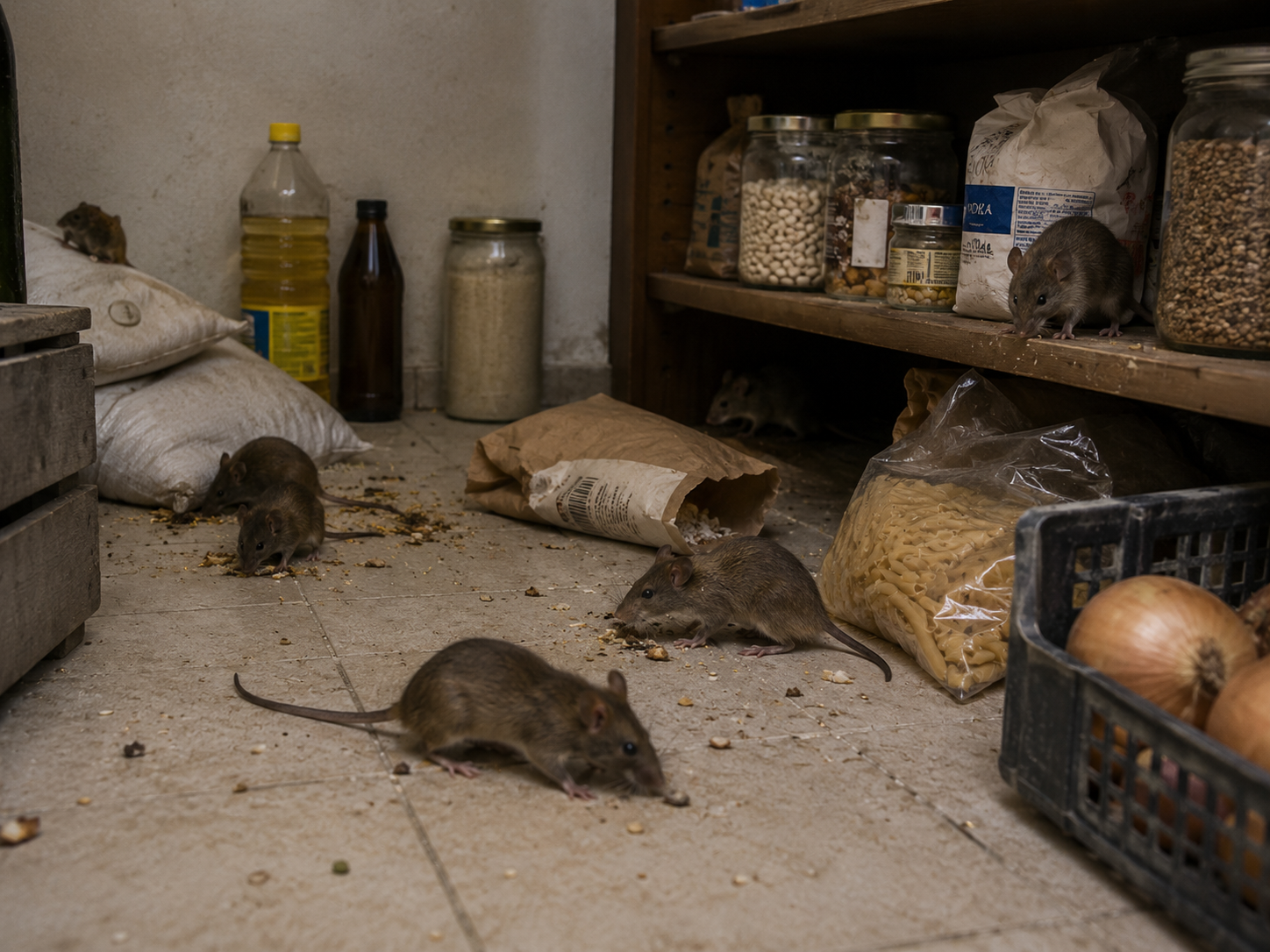
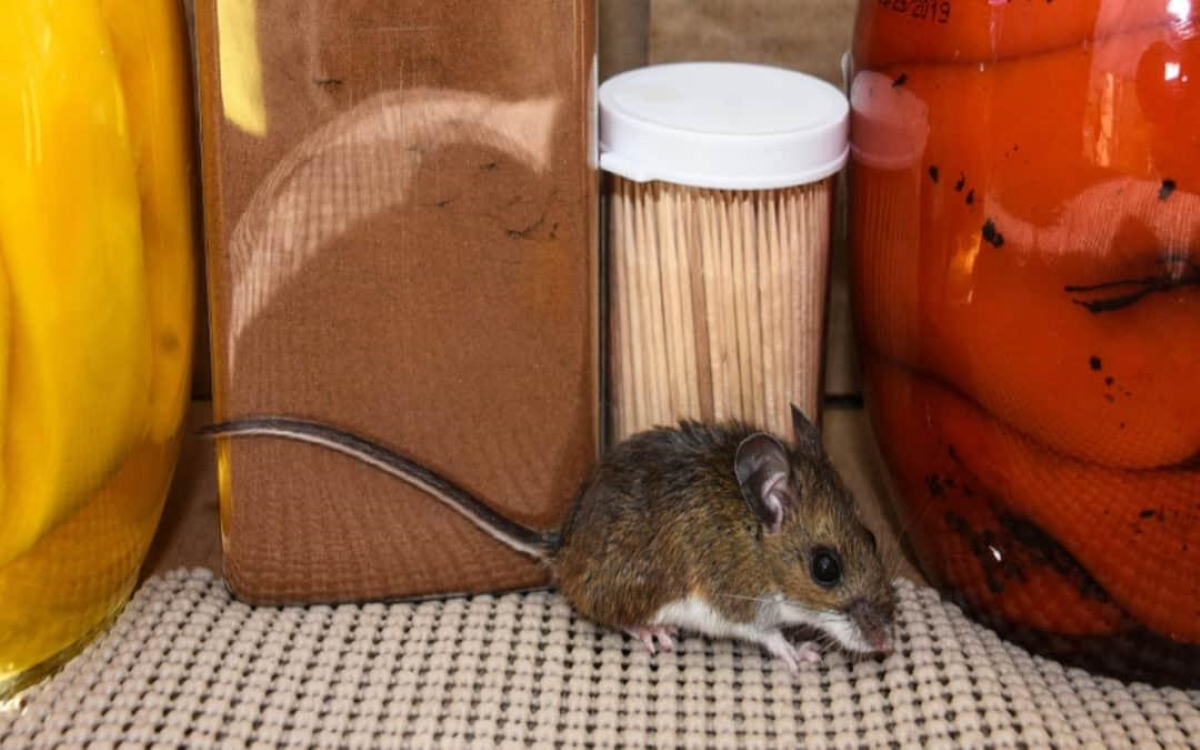
How can you recognise mice or rats in the house?

Rodents are often not seen, but their presence is revealed by the signs they leave:

  • droppings along walls, on shelves or near food
  • gnawed packaging, wood, plastic or electrical cables
  • scattered or damaged food
  • scratching and rustling, especially at night
  • nests made from paper, textiles or insulation and a characteristic smell
  • holes or cracks through which rodents enter the room

Why is it important to act quickly?

Mice and rats can contaminate food and surfaces with urine, droppings and other excretions. In Slovenia, haemorrhagic fever with renal syndrome (HFRS) is of particular importance. When cleaning an area that has been closed for a long time, the National Institute of Public Health recommends thorough ventilation, avoiding dry sweeping or vacuuming, and wet cleaning and disinfection.


5 steps to take first

  • Seal cracks, openings around pipes, doors and other possible entry points.
  • Store food, seeds and animal feed in securely closed containers.
  • Eliminate easily accessible water sources and keep rubbish bins clean.
  • Remove hiding places such as piles of firewood, branches and waste material around the building.
  • Identify rodent movement routes and then choose the appropriate trap or bait.

Which Ratimor solution should you choose?

Situation

Recommended solution

Why

Plenty of other food in the room

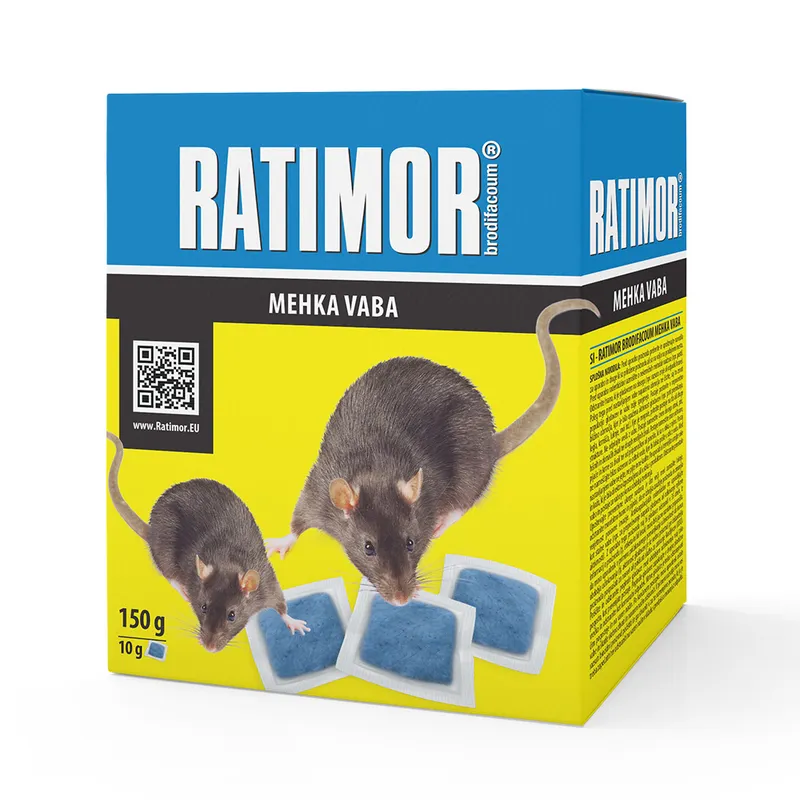
Ratimor PLUS Soft Bait

Proven to be the most palatable bait on the market; high attraction even in the presence of other food sources.

Larger or recurring presence

Ratimor Brodifacoum Soft Bait

High palatability and brodifacoum with single-feed action.

Damp basement or agricultural building

Ratimor Brodifacoum Wax Blocks

The wax formulation withstands moisture better and allows secure fixing in a bait station.

Why is bait palatability important?

A bait is effective only if the rodent eats it. Unichem therefore carries out comparative palatability tests of different formulations. Based on these tests, Ratimor PLUS Soft Bait has been proven to be the most palatable bait on the market.

Where should bait be placed?

Place baits on the rodents’ actual movement routes: along walls, near openings, droppings or gnaw marks and between the hiding place and the food source. Always place them in suitable tamper-resistant bait stations and follow the product label. At the same time, remove alternative food and water sources and monitor bait consumption regularly.

Why do rodenticide baits have a delayed effect? Anticoagulant baits do not act immediately. Because rodents do not associate consumption of the bait with its effect, they continue feeding, and other rodents in the population may also consume the bait.

Frequently asked questions

Remove food and water sources, seal entry points and place traps on movement routes. Where there is a larger or recurring presence, use a suitable rodenticide bait in accordance with the label.