Rat

Resourceful. Extremely adaptable. Destructive.

6/30/2026

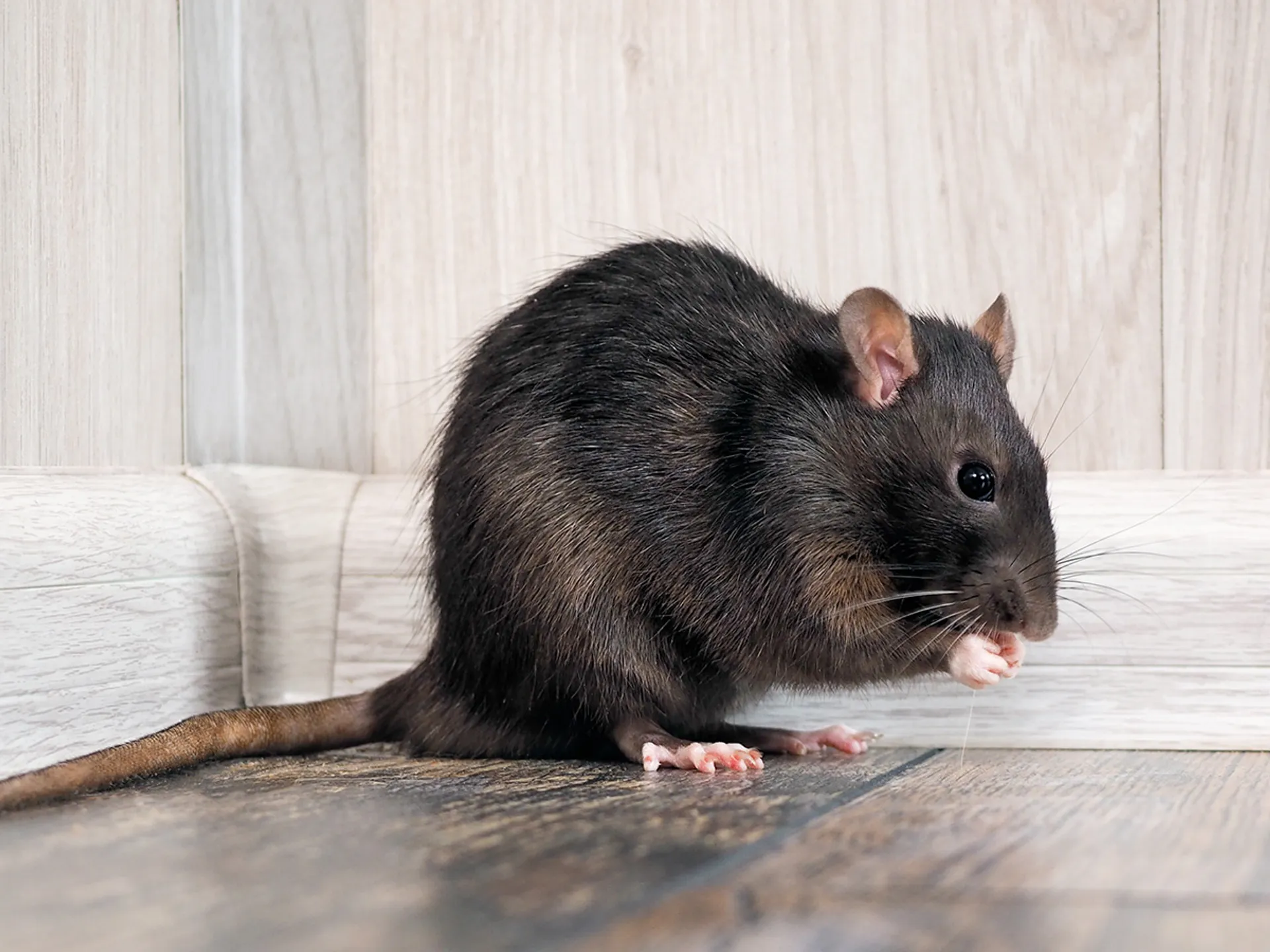
The brown rat (Rattus norvegicus) is one of the most successful and adaptable mammals in the world. Its resourcefulness, caution and ability to adapt to different environments make it one of the most challenging pests in urban, industrial and agricultural settings.

Rats can be found in sewer systems, warehouses, agricultural buildings, stables, production facilities and residential buildings, particularly where food and water are readily available. Rats cause considerable material damage, contaminate food and can carry pathogens that cause various diseases. Because they reproduce rapidly and learn quickly, early action is essential.

How can you identify a rat?

A rat has a stocky body, a blunt snout, relatively small ears and a long, almost hairless tail. An adult animal is usually 20–30 cm long, with a tail measuring 17–23 cm. It weighs between 250 and 500 g, although larger specimens may weigh more.

  • Larger, elongated droppings
  • Pronounced gnaw marks
  • Burrows around buildings
  • Greasy marks along walls
  • Scratching in walls or beneath floors
  • Damaged packaging and food stocks

Why do rats appear near people?

Rats are commonly found near people where they have access to food, water and safe hiding places. They are attracted by accessible food sources, animal feed, compost bins and waste, and they are also often found in sewer systems and in quiet, protected areas around buildings.

They can enter buildings through openings as small as approximately 20 mm, which is why it is important to identify and properly seal potential entry points as early as possible.

Where do they hide?

Rats look for quiet, sheltered and hard-to-reach places with sufficient food and water nearby. They often hide in sewer systems, basements, beneath building foundations, in warehouses, stables and other agricultural buildings.

Outdoors, they are often found along rivers and streams, near compost bins and in waste-disposal areas, where conditions provide suitable shelter, food and breeding opportunities.


What damage do they cause?

  • They contaminate food with urine, droppings and hair.
  • They damage electrical cables and can cause short circuits.
  • They gnaw wood, plastic, pipes and insulation.
  • They damage food stocks.
  • They can carry pathogens that cause various diseases.

The remarkable abilities of rats

The rat is an exceptionally intelligent animal that learns quickly and solves problems effectively. Rats explore new environments and unfamiliar objects very cautiously – a behaviour known as neophobia.

They are also excellent swimmers and can hold their breath for around three minutes. They can climb walls, pipes, cables and trees with little difficulty. They can jump approximately 75 cm vertically and more than one metre horizontally.

Their incisors grow throughout their lives, so they must gnaw constantly to wear them down.

How can you identify a rat by its droppings?

Rat droppings are usually approximately 12–20 mm long and dark brown to black. They are elongated, with bluntly rounded ends.

Fresh droppings are dark and shiny; over time they become dry and develop a greyish tone. Their presence is one of the most common signs of rat activity in or around a building.

How can you prevent rats?

The best way to prevent rats is to limit their access to food, water and hiding places. Remove waste regularly and make sure bins are always securely closed. Eliminate sources of standing water and seal openings and cracks through which rats could enter the building.

Regular maintenance and tidying of the area around the building are also important because they reduce opportunities for rats to hide and nest. It is advisable to monitor regularly for signs of rodent activity so that action can be taken promptly if they appear.

How can rats be controlled effectively?

For larger infestations, a comprehensive approach is recommended, combining monitoring, mechanical solutions and, where necessary, the use of suitable rodenticide baits. The choice should be adapted to the environment, the level of rodent activity and their feeding habits.

The most common solutions are:

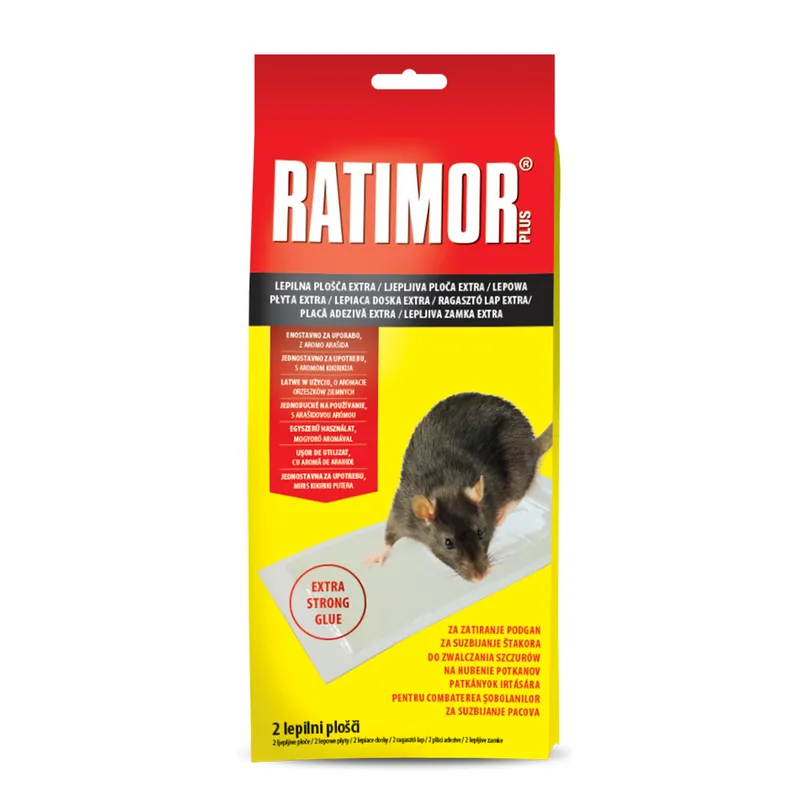
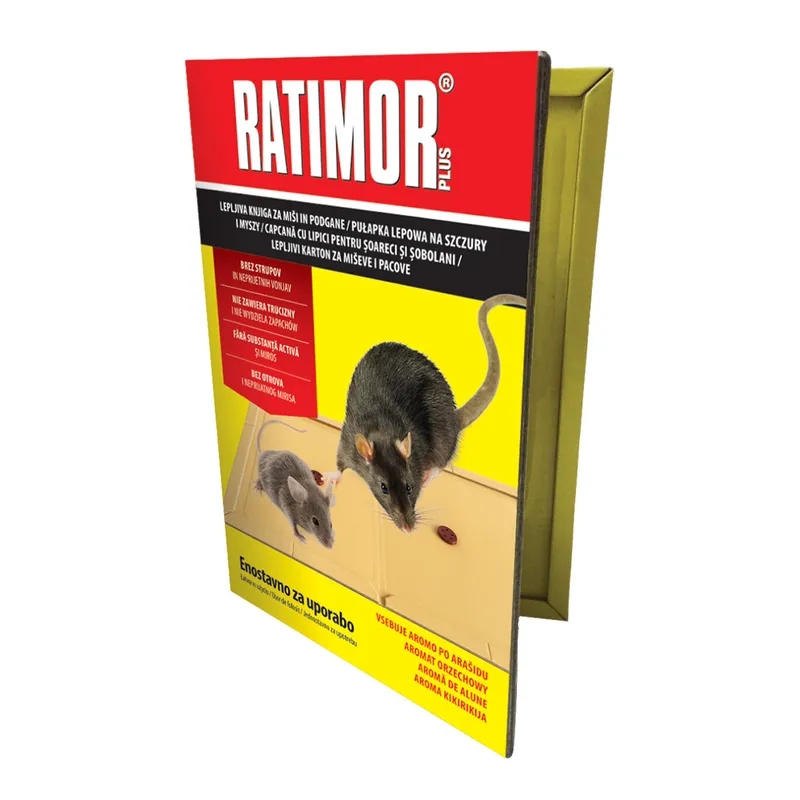
  • Glue boards and glue books for monitoring and mechanical capture.
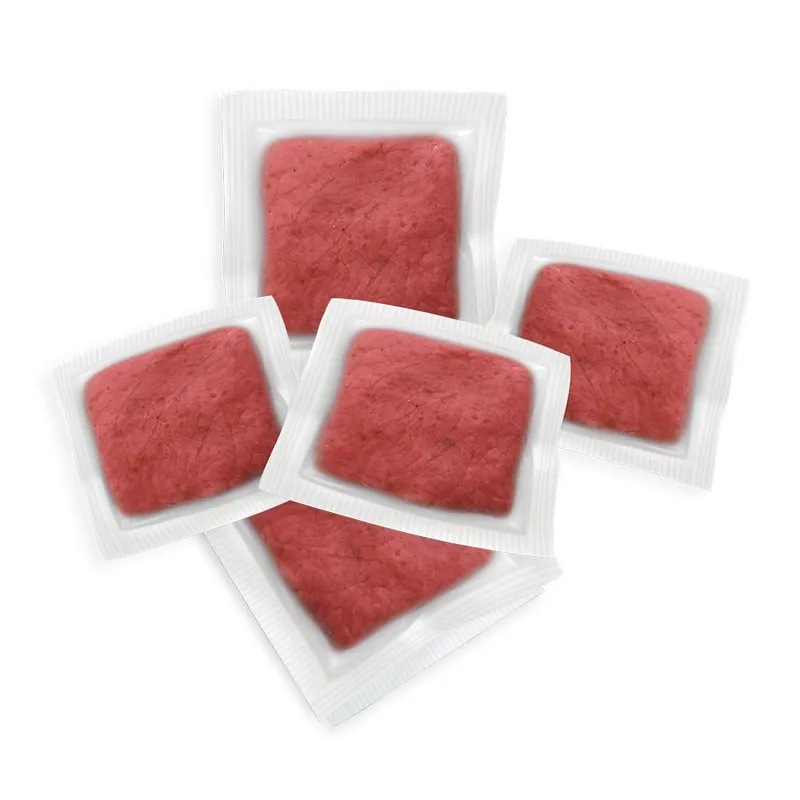
  • Soft baits – where high bait palatability is important.
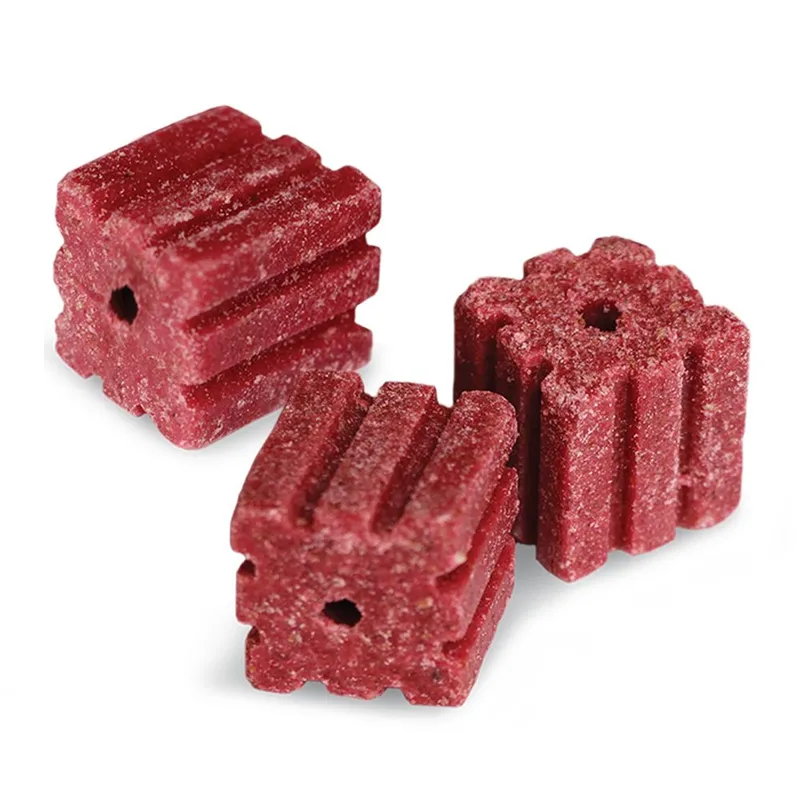
  • Wax blocks – for damp environments and sewer systems.
  • Pellets – for simple and practical dosing.
  • Grain baits – for environments where rats seek natural grain-based food sources.

For the best results, it is important to select the right solution for the environment and rat behaviour and to monitor their activity regularly.

Interesting facts

  • Rats have a very good sense of smell, hearing and memory, so they quickly remember routes to food and hiding places.
  • They can squeeze into a building through an opening of approximately 2 cm.
  • Their incisors grow throughout their lives, so they must gnaw regularly. This is why Ratimor wax blocks have serrated sides.
  • Rats are mostly active at night. If they are frequently seen during the day, this can indicate a larger population or a shortage of food.
  • When searching for food, they often move along walls and edges, where they feel safer.
  • With sufficient food, water and shelter, their population can increase very quickly.
  • Rats can climb pipes, cables and rough surfaces, so access to upper floors is not necessarily an obstacle.

Frequently asked questions

The most effective approach combines preventive measures, monitoring, mechanical solutions and appropriate rodenticide baits. It is also important to remove access to food and water and to seal possible entry points.